



Ultimate college packing list: Get ready for your new adventure! This comprehensive guide covers everything from essential dorm room items to packing strategies for different travel methods. We’ll break down the must-haves for every aspect of your college life, whether you’re headed to a bustling city or a quiet campus.
From clothing and electronics to kitchen supplies and school essentials, we’ve got you covered. We’ll also offer valuable tips on organizing your belongings and maximizing dorm space. This isn’t just a checklist; it’s a roadmap to a smooth and stress-free transition to college life.
Essential Items
Packing for college can feel overwhelming, but with a well-organized strategy, it can be manageable. This section dives deep into the crucial items needed for a successful and comfortable transition into your new living situation, whether it’s a dorm or an apartment. Knowing what to pack, based on your specific living situation and the local climate, is key to a smooth start.
Dorm Room Essentials
Packing for a dorm room requires a focus on space-saving and practicality. A well-organized dorm room allows for a productive and comfortable learning environment.
| Item | Category | Quantity | Description |
|---|---|---|---|
| Bed Frame/Mattress | Furniture | 1 | Essential for sleeping. Consider a lightweight, foldable frame if space is a concern. |
| Pillow | Bed Linens | 1-2 | Choose a pillow that provides support and comfort for a good night’s sleep. |
| Sheets/Blankets | Bed Linens | 1 Set | Depending on the climate, you may need extra blankets or lightweight layers for cooler nights. |
| Desk | Furniture | 1 | A study desk is crucial for academic work. |
| Chair | Furniture | 1 | A comfortable chair enhances studying and relaxation. |
| Lamps | Lighting | 1-2 | Provide adequate lighting for studying and reading in the room. |
| Storage Containers/Bins | Storage | Various | Keep your belongings organized and prevent clutter. |
| Bookshelf/Book Storage | Storage | 1 | Maximize space for books and other study materials. |
| Curtains/Blinds | Room Decor | 1 Set | Provides privacy and light control for your comfort. |
| Trash Can | Cleaning | 1 | Essential for maintaining a clean and organized space. |
| Clothes Hamper | Cleaning | 1 | A dedicated hamper keeps clothes separate from other items. |
Apartment Essentials
Apartment living often comes with more space and freedom. This section lists items tailored for this environment.
| Item | Category | Quantity | Description |
|---|---|---|---|
| Sofa/Couch | Furniture | 1 | Provides seating and a relaxing space. |
| Dining Table | Furniture | 1 | For meals and study sessions. |
| Kitchen Utensils | Kitchen | Various | Essential for cooking and preparing meals. |
| Cooking Appliances | Kitchen | Various | Microwaves, toasters, and other kitchen appliances depending on your needs. |
| Refrigerator | Kitchen | 1 | For storing food and drinks. |
| Dishes/Cutlery | Kitchen | Various | Plates, bowls, cups, knives, forks, and spoons. |
| Laundry Basket | Cleaning | 1 | Keep laundry separate from other items. |
| Cleaning Supplies | Cleaning | Various | Detergents, dish soap, cleaning cloths, etc. |
| Ironing Board/Iron | Cleaning | 1 | Depending on your clothing needs. |
Packing Considerations for Different Climates and Seasons
Understanding the local climate is essential for appropriate packing. Layers are your best friend.
- Hot and Humid Climates: Pack light, breathable clothing such as linen, cotton, and linen-blend materials. Lightweight jackets are also recommended for evenings or air-conditioned spaces.
- Cold and Snowy Climates: Prioritize warm layers, including sweaters, jackets, and thermal underwear. Consider waterproof and windproof outerwear for harsh weather.
- Seasonal Changes: Pack versatile clothing items that can be mixed and matched for different weather conditions. A light jacket can be worn in spring and fall, and a sweater in both seasons.
Versatile Items
Many items can serve multiple purposes, making packing more efficient.
So, you’re prepping for college? My ultimate college packing list is essential, but have you thought about fall decorating? It’s a great way to make your dorm or apartment feel like home. Check out some awesome fall decor ideas under $50, like cozy blankets and autumn-themed wall art, at fall decor under 50. Remember, a comfortable and stylish space will definitely make your college experience even better.
Getting ready for school means your ultimate college packing list should be top priority!
- Backpack: Perfect for carrying books, personal items, and even groceries.
- Reusable Water Bottle: Stay hydrated throughout the day, and reduce plastic waste.
- Multi-functional Backpack: A backpack with various compartments can be used for carrying multiple items.
- First-Aid Kit: A small first-aid kit can be essential for minor injuries.
Clothing & Accessories
Choosing the right clothing for college life is crucial for both comfort and expressing your personal style. From attending lectures to engaging in extracurricular activities, your wardrobe needs to be versatile and functional. This section dives into the essentials, exploring options for different lifestyles and preferences, and highlights must-have accessories.
Clothing for Various Activities
A diverse clothing collection caters to the varied activities of college life. A mix of comfortable casual wear, smart casual options, and potentially dressier attire is essential for navigating classes, social events, and sports or other extracurricular pursuits. A practical approach is key for managing the demands of academics and social life.
So, you’re tackling that ultimate college packing list? Don’t forget the essentials like toiletries and comfy clothes, but also consider practical items like a good mop for cleaning up spills. Knowing how to mop a floor effectively ( how to mop a floor ) is a super useful skill for any student, and trust me, it’ll save you a headache (and potentially some chores).
Remember to prioritize what’s truly important for your dorm life and pack accordingly!
- Classes: Comfortable, yet presentable clothing is ideal. Consider options like leggings or joggers paired with a sweatshirt or a simple t-shirt and jeans. Avoid overly casual attire that might be distracting in the classroom.
- Social Events: Social events range from casual gatherings to formal parties. Having a few versatile pieces, like a nice pair of dress pants, a stylish top, and a versatile blazer, can be highly useful. Consider the dress code and tailor your outfit accordingly.
- Sports: Activewear is a must for participation in sports or gym sessions. Choose comfortable and breathable fabrics for optimal performance. Specific sports may require specialized gear, like athletic shoes, shorts, or tops. Consider your favorite sport or physical activity.
Comparing Clothing Options
Different lifestyles and preferences will impact clothing choices. Budget, personal style, and the climate of the college town should all be considered.
- Budget-Conscious Students: Prioritize quality over quantity. Look for durable, versatile pieces that can be mixed and matched. Thrift stores and online marketplaces can offer great deals on stylish and functional clothing.
- Fashion-Forward Students: Embrace trends and incorporate elements of personal style into your outfits. Focus on pieces that reflect your individuality and align with your aesthetic preferences.
- Active Students: Prioritize comfort and performance. Consider moisture-wicking fabrics and athletic-inspired designs. Ensure that clothes are appropriate for the activities you participate in.
Essential Accessories
Beyond clothing, essential accessories enhance your college experience and contribute to your overall look. Consider practical and stylish options for a complete college wardrobe.
- Toiletries: Include essential toiletries like shampoo, conditioner, soap, toothpaste, and a toothbrush. A travel-sized kit will save space and make travel easier.
- Jewelry: Simple jewelry pieces can complement various outfits. A few necklaces, earrings, or bracelets can add personal flair to your look without being overwhelming.
- Tech Accessories: A charger, headphones, and a portable power bank are essential for keeping your devices running. These accessories are crucial for academic success and social engagement.
Clothing and Accessories Table
| Item | Description | Lifestyle Considerations | Personal Notes |
|---|---|---|---|
| T-shirts | Versatile, comfortable | Suitable for classes, casual outings | |
| Jeans | Durable, versatile | Suitable for classes, casual outings | |
| Sweaters | Comfortable, warm | Suitable for classes, casual outings | |
| Shoes | Comfortable, appropriate for activities | Consider comfort, style, and activity level | |
| Backpack | Essential for carrying books and belongings | Choose a size and style that meets your needs | |
| Umbrella | Essential for unpredictable weather | Choose a compact and lightweight umbrella |
Electronics & Tech
Navigating college life often involves a delicate dance between staying connected and managing your resources. From attending virtual lectures to collaborating on group projects, your electronics play a crucial role. Smartphones, laptops, and tablets are more than just gadgets; they’re essential tools for success. This section will delve into the essential electronics, software, and data management strategies that will help you thrive.
Essential Electronic Devices
Your choice of devices depends on your course of study and personal preferences. However, a laptop is usually a must-have for note-taking, research, and completing assignments. A smartphone is vital for communication, accessing information, and staying connected with friends and family. For some courses, a tablet might prove beneficial for taking notes or for specific software needs. Consider your specific needs and budget when making your selections.
Software for College Life
A range of software can greatly enhance your academic experience. Productivity suites like Microsoft Office or Google Workspace are invaluable for creating documents, spreadsheets, and presentations. Research software like JSTOR or specific course-related software might be necessary for certain disciplines. Furthermore, note-taking apps or digital notepads can improve organization and accessibility of your work. Explore available software options and their potential cost-saving benefits.
Data Security and Backup Procedures
Protecting your digital assets is crucial. Establish strong passwords for all accounts, and consider using a password manager to ensure your data remains secure. Regularly back up your important files to an external hard drive, cloud storage, or both. This will safeguard your work in case of hardware failure or data loss. A crucial step is to create a recovery plan for your data.
Establish a system for regularly backing up your work to multiple locations.
Choosing Tech Accessories
The right accessories can significantly impact your productivity and comfort. High-quality chargers and cables are essential to prevent damage to your devices and maintain consistent power. Consider a portable charger for backup power when on the go. An external hard drive can be helpful for storing large files or backing up your data. A quality mouse or keyboard can significantly improve your laptop experience.
Tech Essentials
This table provides a list of essential tech items, along with estimated costs. Prices are approximate and may vary based on specific models and retailer.
| Item | Description | Estimated Cost (USD) |
|---|---|---|
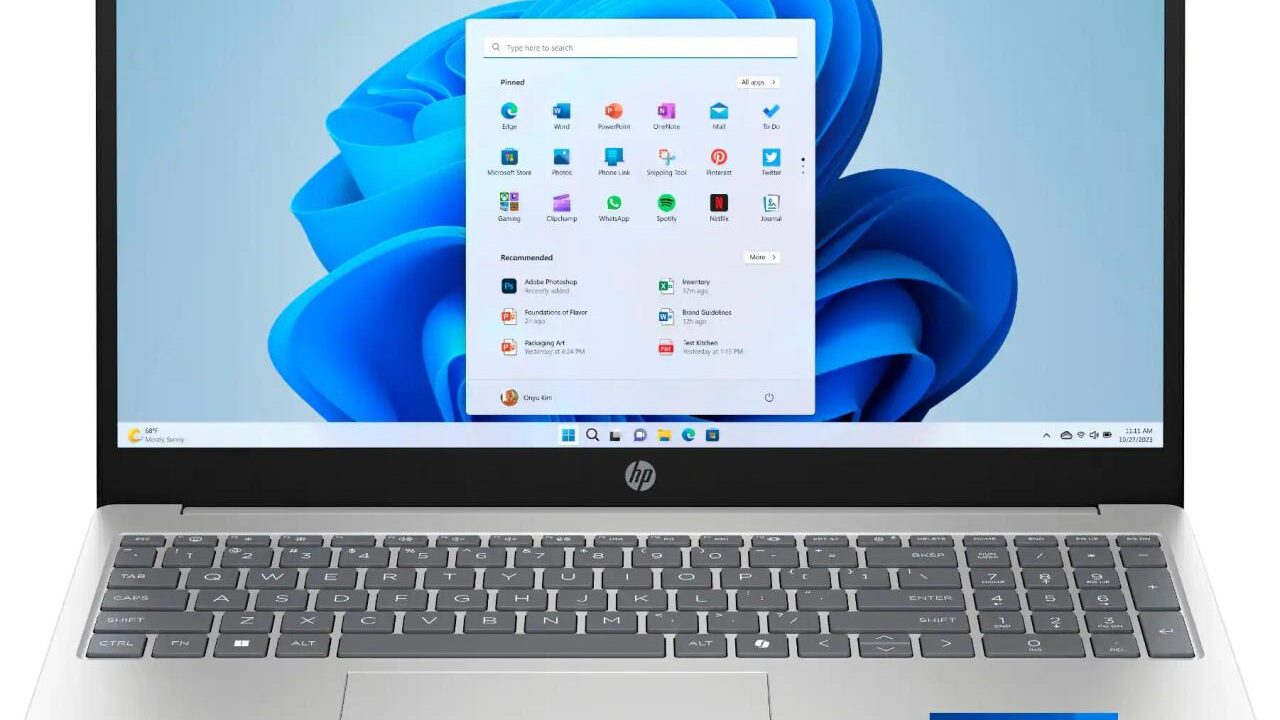
| Laptop | 15-inch or larger; reliable processor and RAM | $800-$1500 |
| Smartphone | Modern, reliable device with good storage | $500-$1000 |
| Tablet (Optional) | For note-taking or specific software | $200-$500 |
| External Hard Drive | For data backup; at least 1TB storage | $50-$150 |
| Portable Charger | Provides extra battery life | $20-$50 |
| Charging Cables | Multiple types for different devices | $10-$30 |
| Mouse | Ergonomic design; wireless preferred | $20-$50 |
| Keyboard (Optional) | For enhanced comfort and typing experience | $30-$100 |
| Password Manager | For secure password management | Free to $100+ (subscription) |
Kitchen & Dining Supplies (if applicable)
For students living in on-campus housing or apartments, having the right kitchen supplies is crucial for meal preparation and maintaining a healthy lifestyle. This section details essential items, space-saving strategies, and options for meal preparation and storage, enabling you to create a functional and budget-friendly kitchen environment.
Essential Kitchen Supplies
A well-equipped kitchen is a must for college students. Essential items like pots, pans, utensils, and serving dishes are fundamental for cooking and eating. Basic cooking tools like knives, a cutting board, and a spatula are essential for prepping ingredients and preparing meals. Having these tools on hand makes cooking easier and more enjoyable.
Space-Saving Strategies, Ultimate college packing list
Limited space is a common challenge for students. Investing in stackable containers, compact cookware sets, and multi-functional utensils can maximize storage and efficiency. Utilizing vertical space with shelves and drawers is key to keeping the kitchen organized and clutter-free. Clever storage solutions like drawer dividers and pantry organizers are also useful.
Meal Preparation and Storage Options
Choosing the right tools for meal preparation and storage is vital for college students. A variety of containers and storage solutions are available to ensure food stays fresh and safe. Consider using reusable containers for leftovers, meal prepping, and storing snacks. This helps minimize waste and promotes healthy eating habits. Using airtight containers is recommended for storing food items properly.
Kitchen Supplies List
| Item | Quantity | Estimated Cost |
|---|---|---|
| Small Pot (1-2 quart) | 1 | $10-$20 |
| Large Pot (3-5 quart) | 1 | $15-$30 |
| Frying Pan (8-10 inch) | 1 | $15-$25 |
| Baking Sheet | 1 | $10-$15 |
| Cutting Board | 1 | $5-$10 |
| Set of Knives (chef, paring, utility) | 3 | $20-$40 |
| Mixing Bowls (various sizes) | 3 | $15-$30 |
| Utensil Set | 1 | $10-$20 |
| Plates (various sizes) | 4-6 | $10-$25 |
| Cups (various sizes) | 4-6 | $10-$20 |
| Spoons, Forks, and Knives | 4-6 sets | $5-$15 |
| Reusable Food Containers | 3-5 | $10-$25 |
Note: Prices are estimates and can vary depending on the brand and store.
Personal Care & Hygiene
Maintaining good personal hygiene is crucial for both your well-being and the well-being of those around you, especially in a shared college environment. A consistent routine will help you feel confident and avoid potential health issues. Proper hygiene practices contribute to a healthier and more positive social atmosphere.
Essential Personal Care Products
A well-stocked personal care kit is essential for a smooth college transition. This section details necessary items to maintain hygiene and well-being. Having the right tools will contribute to a healthy and positive living environment.
- Toothbrush and toothpaste: Essential for oral hygiene, ensuring fresh breath and preventing cavities. Choose a fluoride toothpaste and replace your toothbrush every three months or sooner if bristles become frayed.
- Dental floss or interdental cleaner: Removes food particles and plaque from between teeth, areas that a toothbrush can’t reach. This aids in preventing gum disease and cavities.
- Mouthwash: Further aids in removing food particles and freshening breath. Choose a mouthwash that is suitable for your oral health needs.
- Shampoo and conditioner: Maintain healthy hair and scalp. Select products that cater to your hair type and needs. Consider a dry shampoo for quick touch-ups.
- Body wash or soap: Essential for daily cleansing. Opt for a gentle formula to avoid skin irritation.
- Moisturizer: Keeps skin hydrated and healthy, especially in different weather conditions. Choose a moisturizer suitable for your skin type.
- Razor (and shaving cream/gel): If applicable, this is necessary for maintaining a clean shave. Use a sharp razor and follow a gentle shaving routine.
- Deodorant/Antiperspirant: Maintaining freshness and odor control. Choose a product suitable for your body chemistry and preferences.
- Makeup remover (if applicable): Essential for removing makeup to prevent breakouts and maintain healthy skin. Choose a makeup remover that’s gentle on your skin.
- Hand sanitizer and antibacterial soap: Essential for frequent hand hygiene. Maintain good hand hygiene to avoid the spread of germs.
Importance of Hygiene in Shared Environments
Shared living spaces, such as dorm rooms or apartments, necessitate a heightened awareness of hygiene. Maintaining a clean and hygienic living space benefits everyone in the shared environment. This proactive approach contributes to a healthier and more positive social atmosphere.
- Preventing the spread of germs: Regular handwashing, using disinfectants, and maintaining personal cleanliness can minimize the risk of spreading colds, flu, and other illnesses.
- Promoting a positive living environment: Cleanliness fosters a comfortable and welcoming atmosphere for everyone sharing the space. This positive atmosphere is important for creating a productive and enjoyable living environment.
- Respecting roommates: Maintaining hygiene is a sign of respect for your roommates and their well-being. It promotes mutual understanding and harmony.
Eco-Friendly and Sustainable Personal Care Options
Choosing eco-friendly personal care products contributes to a more sustainable lifestyle. These options often prioritize natural ingredients and minimal packaging.
So, you’re crafting your ultimate college packing list? Don’t forget the essentials, like comfy clothes and a reliable alarm clock, but also consider the plants you bring! Did you know that certain plants, like those listed on plants that attract pests , might unintentionally invite unwanted houseguests? Remember to double-check your plant choices before loading up your dorm room! A well-thought-out packing list will make your first year of college much smoother.
| Product Category | Eco-Friendly/Sustainable Options |
|---|---|
| Shampoo/Conditioner | Look for shampoos and conditioners with plant-based ingredients, recycled packaging, and minimal water usage in the manufacturing process. |
| Body Wash | Choose body washes made with natural oils, plant extracts, and minimal packaging. Look for products with certified organic or sustainable certifications. |
| Toothpaste | Select toothpaste brands that use natural ingredients, recyclable packaging, and ethical sourcing. |
| Deodorant | Choose natural deodorants made with plant-based ingredients, recyclable packaging, and minimal processing. |
| Other Products | Look for brands that prioritize sustainable practices, like reducing their carbon footprint, using recycled materials, and supporting ethical labor standards. |
School Supplies & Study Materials: Ultimate College Packing List
Packing for college isn’t just about clothes and toiletries; it’s about equipping yourself for academic success. Having the right school supplies and knowing how to organize them is key to staying on top of your studies. This section focuses on the essentials needed for different academic needs, from note-taking to research. Effective study tools and organizational strategies will help you manage your coursework and maintain a productive learning environment.
Essential School Supplies for Various Needs
Effective organization of study materials is critical for maximizing efficiency and minimizing stress. Having the right tools and techniques for managing your coursework can lead to improved focus and a more productive learning experience. Different subjects require different materials; tailoring your supply list to your specific courses will ensure you have the resources you need.
| Item | Purpose | Quantity |
|---|---|---|
| Spiral-bound notebooks | Note-taking, brainstorming, and organizing ideas. | 2-4, depending on the number of courses and the type of notes you prefer. |
| Loose-leaf paper | Additional note-taking, worksheets, and handouts. | Multiple packs. |
| Pens and pencils | Essential for writing notes, completing assignments, and taking exams. | Several of each. |
| Highlighters and colored pens | Highlighting key concepts, organizing notes, and creating visual aids. | 2-3 different colors. |
| Index cards | Creating flashcards, taking notes, and organizing ideas for projects. | A few packs. |
| Dictionary and thesaurus | Essential for expanding vocabulary and improving writing skills. | One each. |
| Ruler and protractor | Essential for geometry and other math courses. | One each. |
| Binder | Storing loose papers, handouts, and assignments for each course. | One per course, or a large binder for all courses. |
| Erasers and correction tape | Correcting mistakes and ensuring accuracy in assignments. | Several of each. |
| Storage containers | Organizing and storing textbooks, notebooks, and other materials. | Sufficient containers for each subject or course. |
Organizing and Storing Study Materials
Effective organization is crucial for managing your academic workload. A well-organized study space will improve focus and reduce stress, allowing you to approach your studies with confidence. A well-organized system for storing materials will keep your space clutter-free, enabling easy access to necessary items.
- File folders: Separate folders for each subject or project allow for quick access to specific materials.
- Labeling: Labeling containers and folders ensures easy identification and retrieval of study materials. Use color-coded labels for visual organization.
- Dedicated study space: Designate a specific area for studying, free from distractions. This helps maintain focus and improves concentration.
- Digital organization: Utilize digital tools for organizing documents, notes, and files. This creates a centralized repository for all your academic materials.
Importance of Effective Study Tools
Using effective study tools can significantly improve your learning outcomes. This encompasses a range of techniques from active recall to spaced repetition. Choosing the right tools and employing appropriate strategies can optimize your learning process, enhancing retention and comprehension.
Effective study tools are more than just supplies; they’re strategies for maximizing your learning potential.
- Flashcards: A proven method for memorizing vocabulary, formulas, and key concepts.
- Mnemonics: Memory aids that can help you remember complex information.
- Note-taking strategies: Active recall and the Cornell note-taking system are two effective approaches.
- Study groups: Collaborating with peers can lead to deeper understanding and knowledge retention.
Miscellaneous Items
Packing for college is more than just gathering textbooks and clothes; it’s about preparing for the unexpected. This section details crucial miscellaneous items, from essential documents to emergency preparedness, ensuring a smooth transition to your new academic environment. Proper planning for these often-overlooked items can prevent significant stress and ensure a comfortable and safe experience.
Important Documents and Records
This section Artikels the crucial documents and records that students should bring to college. These documents will be essential for managing various aspects of their academic and personal life. Maintaining organized records will save valuable time and effort during the academic year.
- Student ID card: A physical copy of your student ID card is essential for accessing campus facilities, libraries, and other services. Having a digital copy is helpful, but a physical one is often required for specific situations.
- Passport/Driver’s License: If you plan to travel or need to prove your identity outside campus, having a passport or driver’s license is important.
- Insurance Information: Copies of health insurance cards, and any other relevant insurance documents, are crucial for medical emergencies and other situations requiring insurance coverage.
- Emergency Contact Information: Compile a list of emergency contacts and keep it readily available. This includes parents, guardians, or close friends. Consider also creating a digital copy and storing it securely.
- Bank Account and Credit Card Information: Keep copies of your bank and credit card information in a safe place. This is vital for managing finances while at college. Consider creating a digital record for easy access.
- Academic Records: Keep a copy of your transcript, and any other important academic documents in a safe place.
- Proof of Address: Keep a copy of your address verification or proof of residency, which can be important for various services and mail delivery.
Emergency Supplies
Emergency preparedness is crucial, especially when living away from home for the first time. Having essential supplies on hand can help mitigate unforeseen situations.
- First-aid kit: A comprehensive first-aid kit should include bandages, antiseptic wipes, pain relievers, and any personal medications.
- Basic tools: A multi-tool or a set of basic tools can be handy for minor repairs or unexpected situations.
- Personal safety supplies: This includes a personal alarm or pepper spray, depending on the local environment.
- Cash reserves: Having a small amount of cash on hand can be useful for unexpected expenses or situations where credit cards are not accepted.
- Important phone numbers: Include the emergency services numbers for your location.
- Copies of important documents: Keep copies of important documents in a separate location from the originals.
Valuables and Security
Maintaining security for valuables is essential for any college student. This includes protecting personal items from theft or loss.
- Secure storage: Use a lockable storage unit or a combination lock for valuable items like laptops and phones. A safe or a locked desk drawer is another good option.
- Insurance: Ensure your valuables are covered by appropriate insurance policies.
- Identification: Carry proper identification (ID card) at all times. This is crucial for verifying your identity in case of loss or theft.
- Safety awareness: Be mindful of your surroundings and avoid walking alone in poorly lit or isolated areas at night.
- Personal security system: Consider a personal security system for added protection.
Visualizing Essential Items
This table provides a clear overview of miscellaneous items, their descriptions, and their importance for a smooth transition to college life.
| Item | Description | Importance |
|---|---|---|
| Student ID Card | Official identification card issued by the college. | Essential for accessing campus facilities and services. |
| Insurance Information | Copies of health insurance cards and other relevant documents. | Crucial for medical emergencies and financial assistance. |
| Emergency Contact List | List of emergency contacts, including phone numbers. | Provides support in case of an emergency. |
| First-aid Kit | Essential supplies for minor injuries or illnesses. | Provides immediate relief and care. |
| Valuable Item Lockbox | A secure container for storing valuable items. | Protects valuables from theft and loss. |
| Personal Alarm | A device for alerting others in case of an emergency. | Increases personal safety and security. |
Packing Strategies & Tips

Packing for college can feel overwhelming, but with the right strategies, it can be a smooth and stress-free process. This section provides practical tips and tricks to make your packing experience more efficient and less daunting. From organizing your luggage to choosing the best packing method for your trip, we’ve got you covered.Effective packing goes beyond simply stuffing your bags.
Careful planning and organization are crucial for a comfortable and hassle-free experience. This section will help you maximize space, minimize stress, and ensure you have everything you need while keeping your belongings safe and protected.
Efficient Packing Techniques
Packing efficiently is about maximizing space and minimizing the risk of damage to your belongings. A well-planned packing strategy can save you time and frustration, especially if you’re moving in or out of your college accommodations.
- Rolling vs. Folding: Rolling clothes instead of folding them can save space and reduce wrinkles. This technique is particularly helpful for maximizing the utilization of luggage space, especially when packing for extended stays or when space is limited. Roll your clothes tightly to eliminate excess air pockets and fit more items into your luggage.
- Compression Bags: Compression bags can significantly reduce the volume of your clothes, allowing you to pack more items into your luggage. These bags also help to keep your clothes wrinkle-free, which is important when space is limited. This technique is especially beneficial for students travelling with limited luggage space.
- Packing Cubes: Packing cubes are small, fabric containers that allow you to organize your clothes and accessories. This method makes finding specific items easier and helps keep your belongings tidy. This helps you keep track of items and reduces the likelihood of items getting lost or misplaced during travel.
- Weight Considerations: Assess the weight of your items and adjust your packing accordingly. Overpacking can lead to discomfort and potential issues during travel. Consider the weight restrictions for your chosen travel method. If possible, choose lightweight items for your clothing and other supplies.
Organizing and Labeling Luggage
Effective luggage organization is key to a smooth trip. Proper labeling ensures you quickly find the items you need and prevents confusion. This is especially helpful when traveling with others.
- Use Luggage Tags: Label your luggage with your name, address, and contact information. In case your luggage gets lost, this information will help ensure it is returned to you promptly. This is essential for preventing luggage loss and ensuring you receive your belongings quickly.
- Categorize Items: Organize your belongings into categories (e.g., clothing, toiletries, electronics). This makes it easier to find specific items and reduces the likelihood of forgetting something. This method promotes efficient packing and retrieval of items.
- Utilize Packing Cubes or Bags: Use packing cubes or separate bags for different categories. This allows you to keep your belongings organized and prevents mixing different items. This can be especially useful for organizing clothing, toiletries, and other necessities.
Packing for Different Travel Methods
The method of travel significantly influences the packing strategy. Different methods require different approaches.
| Travel Method | Packing Strategy | Considerations |
|---|---|---|
| Car | Pack strategically for easy access. Place frequently used items within easy reach. | Consider space constraints, potential road delays, and weather conditions. |
| Train | Pack items in lightweight containers and organize them in a way that maximizes space. | Consider seat space and baggage allowances. Consider the time spent on the train and plan accordingly. |
| Plane | Prioritize lightweight items and follow airline baggage restrictions carefully. | Pay close attention to weight restrictions and dimensions for checked luggage. |
Dorm Room Organization & Setup

Maximizing space and creating a functional and personalized dorm room is crucial for a comfortable and productive college experience. A well-organized space reduces stress and promotes a positive learning environment. This section provides practical tips and inspiration to transform your dorm into a cozy and efficient study haven.Effective organization is key to a successful dorm life. By strategically utilizing available space and incorporating practical solutions, students can optimize their dorm room’s functionality and create a personalized atmosphere that fosters academic success and relaxation.
Maximizing Space in a Dorm Room
Dorm rooms, by their nature, are compact. Efficient use of vertical space, strategic furniture placement, and clever storage solutions are essential for a comfortable and productive environment. Clever storage options allow for a clutter-free atmosphere, which in turn can promote a sense of calm and focus.
Organizing and Decorating a Dorm Room
Creating a functional and visually appealing dorm room is achievable with the right approach. Decluttering and prioritizing essential items is a crucial first step. Think about what you truly need and what can be left behind. This process frees up space and minimizes the feeling of being overwhelmed by items you may not use.
Furniture and Storage Solutions for a Dorm Room
A well-chosen set of furniture can significantly impact a dorm room’s functionality and aesthetic. Multi-functional furniture, such as a bed with storage underneath or a desk with built-in drawers, is highly beneficial in a small space.
- Beds with storage: Beds with drawers or built-in storage beneath the mattress maximize space by providing hidden storage for clothes, bedding, and other essentials.
- Vertical shelving units: These provide ample storage for books, textbooks, and personal items without taking up much horizontal space.
- Wall-mounted organizers: Utilize wall space with organizers, hooks, and shelves to keep items off the floor and in easy reach.
- Under-bed storage containers: These are excellent for storing seasonal clothes, extra blankets, or items not used frequently.
These practical solutions can transform a small dorm room into a functional and organized space.
Design Ideas for a Personalized Dorm Space
A personalized dorm space fosters a sense of comfort and belonging. Consider incorporating your personality and interests into the design to create a space that reflects your unique style.
Design Idea 1: The Cozy Nook
(Image description: A cozy dorm room corner featuring a small, plush armchair, a warm-toned rug, a stack of books, and a lamp. The walls are painted a soft, calming color, like a light teal or lavender. Soft, textured throw pillows and a patterned blanket add to the cozy ambiance. The desk is a simple white color with a wood accent, and it’s situated against a wall with a few framed photos.)
Design Idea 2: The Modern Minimalist
(Image description: A sleek, modern dorm room with clean lines and neutral colors. A white desk with minimalist design is paired with a white bed frame. A wall-mounted shelving unit holds a few decorative items and books. The walls are painted in a light gray or beige, complemented by a simple rug and a modern lamp. The overall aesthetic is uncluttered and sophisticated.)
Design Idea 3: The Study Haven
(Image description: A study-oriented dorm room with a well-lit workspace. A large desk, equipped with plenty of storage space, is the central focus. The desk is flanked by two tall bookshelves filled with textbooks and stationery. The room is painted in a neutral color, such as white or light gray. A comfortable chair encourages prolonged study sessions.
A few plants add a touch of nature and freshness.
Summary
So, are you ready to conquer your college adventure? This ultimate college packing list has provided a detailed overview of essential items and practical strategies for a successful move-in. Remember to personalize this list to your specific needs and enjoy the exciting journey ahead. Happy packing!