




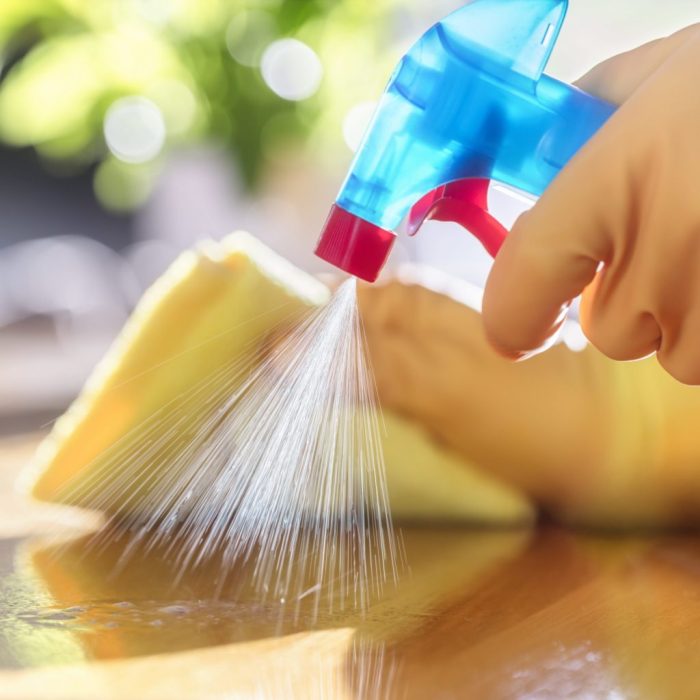
How to clean thrifted clothes and furniture is a crucial step for anyone who enjoys the thrill of a good bargain. Whether you’re a seasoned thrift shopper or just starting out, knowing how to properly clean your secondhand treasures is key to getting the most out of your purchases and avoiding potential problems. From identifying potential cleaning needs in various thrift store items to understanding the best ways to remove stains and odors, this guide will equip you with the knowledge and tools to get your thrifting haul looking its best.
We’ll cover everything from basic cleaning techniques for everyday clothes and furniture to specialized care for vintage or delicate items.
The article will detail a simple comparison table that highlights the potential cleaning issues of different thrift store items like clothes and furniture. It will also include comprehensive lists of cleaning methods for different fabrics and furniture types, step-by-step guides, and a breakdown of common cleaning products and tools.
Introduction to Thrifting
Thrifting, the art of finding treasures in secondhand stores, offers a unique blend of environmental responsibility and personal style. It’s a great way to save money, reduce textile waste, and discover unique pieces that you won’t find in typical retail stores. The inherent charm of pre-owned items adds a special touch to your wardrobe and home décor.Proper cleaning is essential before bringing home any thrifting finds.
Unveiling the hidden beauty of a vintage piece or a gently used garment often requires a little extra care to ensure it’s ready for its new life. This process is not just about removing dirt; it’s about preserving the integrity and longevity of the item.
Identifying Potential Cleaning Needs
Thrifting allows you to discover hidden gems, but it’s crucial to be prepared for potential cleaning needs. Careful examination is key to anticipating potential issues. Look for visible stains, odors, or signs of wear. Check for loose threads, ripped seams, or any other damage that might require attention. Inspect the item’s condition closely, paying attention to any discoloration or unusual marks.
Understanding the potential issues allows you to prepare for the necessary cleaning steps.
Types of Thrift Stores and Their Inventory
Thrift stores come in various forms, each with its own unique inventory. Charity shops, often run by non-profit organizations, usually offer a mix of clothing, household goods, and furniture. Consignment shops, where individuals sell their used items, may specialize in particular types of clothing, accessories, or furniture. Vintage stores frequently showcase antique and vintage items, with a focus on specific eras or styles.
Knowing the type of store and its typical inventory helps you better assess the potential cleaning requirements.
Comparison of Cleaning Needs for Different Items
| Item Type | Potential Issues | Cleaning Needs | Frequency |
|---|---|---|---|
| Clothing | Stains, odors, dirt, pilling | Washing, spot cleaning | Before first wear, or as needed |
| Furniture | Dust, dirt, stains, scratches | Dusting, wiping, spot cleaning | Weekly, or as needed |
| Accessories (Bags, Jewelry) | Dirt, dust, stains, tarnish | Spot cleaning, wiping, polishing | Before first use, or as needed |
| Household Goods (Dishes, Cookware) | Dirt, stains, food residue | Washing, scrubbing, sanitizing | Before use |
Cleaning Clothing
Thrifting often means acquiring items that have seen some wear and tear. Knowing how to properly clean your finds is crucial for extending their lifespan and preventing further damage. This guide will provide a comprehensive approach to cleaning various clothing items, from everyday wear to delicate fabrics.Thorough cleaning not only revitalizes the appearance of your thrift finds but also ensures hygiene and comfort.
Proper cleaning methods can prevent fading, shrinking, or damage to the fabric, preserving the item for years to come.
Common Clothing Stains and Their Removal
Effective stain removal depends on the type of stain and the fabric. Prompt action is key, as stains that set in can be significantly harder to eliminate.
- Food Stains: Use a mild detergent and lukewarm water for most food stains. For greasy stains, blot with a clean cloth or paper towel to absorb excess grease, then gently rub with a mild dish soap solution. Rinse thoroughly and air-dry. For stubborn stains, consider a pre-treatment stain remover before washing.
- Ink Stains: Act fast! Blot the ink stain with a clean cloth or paper towel. Apply a mixture of rubbing alcohol or white vinegar to the stain, gently blotting the area. Rinse thoroughly and repeat if necessary. For delicate fabrics, test the cleaning solution on an inconspicuous area first.
- Blood Stains: Immediately blot the stain with a clean cloth. Apply cold water to the stain, gently blotting to lift the blood. Soak the garment in cold water with a mild detergent. Repeat steps if necessary. Avoid using hot water, as it can set the stain.
- Coffee Stains: Immediately blot the stain with a clean cloth or paper towel. Mix a solution of cold water and mild detergent. Apply to the stain, blotting gently. Rinse thoroughly and repeat if needed.
Washing Practices for Different Fabrics
Different fabrics require different washing and drying techniques to prevent damage.
- Delicate Fabrics (Silk, Lace): Hand wash in cool water with a gentle detergent specifically designed for delicate fabrics. Avoid harsh scrubbing or twisting. Line dry or lay flat to dry. Avoid using the machine, as it can damage the fabric.
- Synthetic Fabrics (Polyester, Nylon): Machine wash in cold water with a mild detergent. Use a gentle cycle and avoid high heat settings. Tumble dry on low heat or air dry. Do not use bleach.
- Wool Fabrics: Hand wash in cool water with a wool-specific detergent. Avoid harsh scrubbing or twisting. Lay flat to dry or use a wool drying bag. Avoid machine washing, drying, or using bleach.
Spot Cleaning Techniques
Spot cleaning is essential for removing stains without damaging the entire garment.
Cleaning thrifted clothes and furniture can be tricky, but it’s totally doable! Start by checking care labels for specific instructions. For furniture, a gentle scrub with a mild detergent and a damp cloth often works wonders. Thinking about your garden, you might also consider some of the amazing perennials that thrive in full sun, like those featured in this great guide perennials that thrive in full sun.
And remember, a little elbow grease goes a long way in getting your thrifted treasures looking spick and span!
- Blot, Don’t Rub: Always blot stains to avoid spreading them. Rubbing can push the stain deeper into the fabric. Use a clean cloth or paper towel.
- Test in an Inconspicuous Area: Before applying any cleaning solution to the entire stain, test it on a hidden area of the garment to ensure it won’t cause discoloration or damage.
- Specific Stain Removers: Some stains respond better to specific cleaning solutions, such as specialized stain removers. Always follow the manufacturer’s instructions carefully.
Removing Odors from Clothing
Odor removal can be achieved through several methods.
- Washing with Detergent: Use a good quality detergent and follow the washing instructions for the fabric type.
- Baking Soda: Sprinkle baking soda on the affected area and let it sit for a few hours or overnight. Wash as usual.
- White Vinegar: Soak the garment in a solution of white vinegar and water to neutralize odors. Follow up with a regular wash.
Fabric Care Guide
This table summarizes washing and drying recommendations for various fabric types.
| Fabric Type | Washing Instructions | Drying Instructions | Special Care |
|---|---|---|---|
| Cotton | Machine wash, warm water | Tumble dry, low heat | |
| Silk | Hand wash, cold water | Line dry | Avoid harsh detergents |
| Polyester | Machine wash, cold water | Tumble dry, low heat | Avoid bleach |
| Wool | Hand wash, cool water | Lay flat to dry | Avoid high heat |
Cleaning Furniture
Thrifted furniture often brings a unique charm, but it might also need a little TLC before it shines in your home. Proper cleaning not only maintains the beauty of your finds but also extends their lifespan. This guide will equip you with the knowledge to handle various furniture types, from delicate wood to sturdy upholstery, ensuring your thrifted treasures are sparkling and ready for years of use.Cleaning thrifted furniture effectively requires understanding the material.
Different materials respond to different cleaning methods. This guide will walk you through the best practices for various furniture types. Remember to always test any cleaning solution in an inconspicuous area first to prevent damage.
Wood Furniture
Wood furniture, whether a vintage dresser or a simple side table, deserves gentle care. Dusting and polishing are key to maintaining its natural beauty.
Dusting
Regular dusting prevents buildup that can scratch the finish. Use a soft, dry microfiber cloth to gently wipe down the surface. A soft-bristled brush can help reach into crevices and corners.
Polishing
For wood furniture with a visible finish, furniture polish can help maintain its shine. Apply a small amount of polish to a microfiber cloth and buff the surface in smooth, circular motions. Avoid using abrasive cleaners or excessive pressure.
Upholstered Furniture
Upholstered furniture, including sofas, chairs, and ottomans, needs specific cleaning strategies.
Fabric Upholstery
Fabric upholstery can be cleaned using a vacuum cleaner with a brush attachment for regular maintenance. For spills or stains, blot the area immediately with a clean, damp cloth. Use a mild detergent solution (diluted in water) for more stubborn stains. Always check the fabric care label for specific instructions.
Leather Upholstery
Leather upholstery requires a different approach. Use a leather-specific cleaner and a soft cloth to wipe down the surface. Avoid harsh chemicals or excessive moisture, as they can damage the leather.
Stain Removal
Stains are inevitable. Addressing them promptly is crucial for preventing damage.
General Stain Removal
For most stains, blot the affected area immediately with a clean, absorbent cloth. Avoid rubbing, which can spread the stain. Use a mild detergent solution for tougher stains, but always test in a hidden area first.
Cleaning thrifted clothes and furniture can be a rewarding process, but sometimes it feels overwhelming. Just like prepping your home for winter, you need to take care of the details. Properly cleaning these items ensures they’ll last, and for furniture, this includes checking for hidden damage. To ensure your home is protected for the cold season, consider these helpful tips on how to winterize a house.
This attention to detail is also key for restoring thrifted treasures to their best condition, extending their life and making them a part of your home’s story.
Scratches and Dents, How to clean thrifted clothes and furniture
Scratches and dents can be frustrating, but sometimes minor imperfections can be repaired.
Scratches and Dents
For minor scratches on wood furniture, try using a wood filler and sanding to blend the area. Dents can sometimes be softened with gentle pressure or a specialized furniture repair kit. For more significant damage, professional repair may be necessary.
Flooring
Cleaning your thrifted flooring is just as important.
Hardwood Floors
Use a vacuum cleaner or a mop with a solution of mild detergent and warm water to clean hardwood floors. Dry the floors thoroughly to prevent water damage.
Carpet
Regular vacuuming is essential for maintaining clean carpet. For stains, blot the area with a clean cloth or use a carpet cleaner as directed on the product label.
Cleaning Tools for Furniture
Cleaning Tools for Furniture:
- Microfiber cloths: Ideal for dusting and polishing, they are gentle on surfaces.
- Soft-bristled brushes: Essential for reaching into crevices and corners.
- Vacuum cleaner: For general cleaning and removing loose dirt.
- Furniture polish: Maintains the shine of wood furniture, but use carefully.
Specific Cleaning Procedures: How To Clean Thrifted Clothes And Furniture
Transforming a thrifted treasure into a cherished possession often involves a delicate cleaning process. Understanding the unique needs of different materials and vintage items is crucial to preserving their integrity and extending their lifespan. Careful consideration of cleaning methods ensures that your finds remain in pristine condition for years to come.
Cleaning Curtains
Curtains, often hiding a multitude of dust and dirt, need specific attention. Hand-washing is generally preferred for delicate fabrics, while machine washing is suitable for more robust materials. Always check care labels for specific instructions. Pre-treat any stains with a gentle stain remover before washing. For stubborn stains, a diluted solution of mild detergent and warm water can be effective.
Allow curtains to air dry completely, ideally in a well-ventilated area, to prevent mildew and maintain their shape.
Cleaning up those thrifted treasures? It’s all about gentle methods for clothes and furniture. Spot-treat stains on clothes, and for furniture, a damp cloth and mild soap usually do the trick. Knowing how to properly care for your plants is also key. For instance, if you’re keen on alocasia regal shield care, check out this helpful guide: alocasia regal shield care guide.
Ultimately, careful cleaning of thrifted items will ensure you get the most out of your finds, whether it’s clothing or home decor.
Cleaning Rugs
Rugs, especially those with intricate designs or delicate fibers, demand careful cleaning. Vacuuming regularly is essential for maintaining their cleanliness. For deeper cleaning, spot-treat any stains immediately with a specialized rug cleaner. Avoid harsh chemicals that could damage the fibers. Professional rug cleaning services are recommended for heavily soiled or antique rugs.
Thorough drying is vital to prevent mold and mildew. Proper ventilation is key to expedite the drying process.
Cleaning Bedding
Bedding, particularly sheets and blankets, collects dust mites and allergens. Regular washing is essential for hygiene and comfort. Always check the care labels for recommended washing instructions. Using a gentle detergent is recommended to avoid damaging delicate fabrics. Dry bedding in a well-ventilated area, preferably in direct sunlight, to eliminate odors and bacteria.
Consider using a fabric softener for added softness.
Cleaning Vintage Items
Vintage items, with their unique histories and often delicate materials, require extra care. Before cleaning, research the specific material and its cleaning requirements. Use a gentle cleaning solution specifically designed for delicate fabrics or materials. For antique furniture, consult with a professional restorer or conservator to avoid damage. Always test any cleaning solution in an inconspicuous area first to ensure compatibility with the material.
Proper ventilation and drying time are critical for vintage items to prevent damage.
Proper Ventilation and Drying Time
Proper ventilation and drying time are paramount in any cleaning process. Allowing items to dry completely in a well-ventilated area prevents the growth of mildew and mold, which can significantly damage fabrics and materials. Sunlight, when safe for the item, is a natural disinfectant. Avoid placing items in direct sunlight for extended periods, especially if they are made of delicate materials like silk or wool.
Ensure adequate air circulation to speed up the drying process.
Comparing Cleaning Products
Cleaning products vary significantly in their effectiveness and safety. Mild detergents and specialized cleaning solutions for specific materials are generally preferred over harsh chemicals. Vinegar and baking soda are often used as natural cleaning agents, particularly for removing stains and odors. Research the ingredients and safety guidelines of each product before use. Avoid products containing harsh chemicals that could damage the fibers or materials of your thrifted items.
Common Mistakes to Avoid
Some common mistakes include using harsh chemicals, failing to pre-treat stains, and inadequate drying time. Always check the care labels for specific instructions and avoid using cleaning solutions that are not recommended for the particular material. Testing cleaning products on a hidden area first is crucial to prevent unforeseen damage. Thoroughly rinsing items after cleaning is essential to remove any residue that could affect the material’s quality.
Safe and Effective Cleaning Products
- Mild dish soap (for general cleaning)
- Gentle detergents (for delicate fabrics)
- Specialized rug cleaners (for rugs)
- Vinegar (for stain removal and deodorizing)
- Baking soda (for stain removal and deodorizing)
- White distilled vinegar (a natural disinfectant)
- Borax (for stain removal)
- Rubbing alcohol (for certain stains)
- Mild bleach (for certain fabrics)
These products, used appropriately, can effectively clean various thrifted items without causing damage. Always prioritize safety and follow product instructions carefully.
Preventing Future Issues
Thrifted treasures can bring joy and unique character to our homes and wardrobes. However, knowing how to care for these pre-loved items is crucial to prolong their lifespan and maintain their beauty. This section focuses on proactive measures to prevent future stains, damage, and deterioration, ensuring your thrifted finds remain cherished for years to come.Proactive care extends beyond simply cleaning.
It involves understanding the inherent risks associated with secondhand items and implementing preventative strategies to minimize potential problems. By inspecting items carefully, employing appropriate storage, and understanding the specific care requirements for different materials, you can ensure your thrifted finds stay in pristine condition for a long time.
Preventing Stains and Damage
Preventing stains is easier than dealing with them. Pay close attention to the materials of your thrifted items. For example, delicate silks or velvets might require special handling and storage, whereas sturdy cottons can withstand more wear. Look for signs of previous damage, such as rips, tears, or fading, during the initial inspection. This preemptive approach is more efficient and less costly than having to deal with major repairs later.
Proper Storage Techniques
Proper storage is essential for maintaining the cleanliness and integrity of your thrifted items. Store clothes in breathable containers to prevent moisture buildup. Avoid overcrowding, which can lead to wrinkles and damage. For furniture, ensure proper ventilation to prevent mildew or insect infestations. Consider using cedar chests or archival-quality boxes for delicate fabrics to protect them from pests and humidity.
Spotting and Fixing Potential Issues
Regular inspections are vital to identify potential problems before they escalate. Look for signs of mold, mildew, or insect activity. If you notice any discoloration or damage, take immediate action. For example, treat mildew with a mild bleach solution or call in a professional for more serious repairs.
Inspecting Items Before Purchasing
Thorough inspection before purchasing is crucial. Look for stains, tears, or damage that might be hidden under layers of fabric. Feel the fabric to assess its condition and ensure it’s in good shape. For furniture, check for loose joints, wobbly legs, or signs of prior repairs that could affect its stability. A pre-purchase inspection minimizes the risk of acquiring items that require significant restoration.
Care for Items Requiring Special Attention
Certain items demand specific care. For example, leather goods may require periodic conditioning to maintain their suppleness and prevent cracking. Items made of delicate materials, like lace or embroidery, should be handled with utmost care and stored in archival-quality boxes. If unsure, consult with a professional cleaner or restorer for specific care instructions. Knowing the item’s original care instructions, if available, is invaluable.
Preventive Checklist
A well-designed checklist can significantly aid in preventing future issues. The checklist should include steps for pre-purchase inspection, cleaning, and storage. Regular maintenance and inspection of items are crucial.
- Pre-Purchase Inspection: Check for stains, tears, damage, and signs of wear. Consider the item’s material and its suitability for your needs. Assess the overall condition of the item. If it requires repair or restoration, factor that into the cost.
- Cleaning and Maintenance: Regularly clean items according to their material type and use appropriate cleaning agents. Store items in appropriate conditions (e.g., away from moisture for textiles).
- Storage: Store items in breathable containers, avoiding overcrowding. Use archival-quality boxes for delicate items. Ensure adequate ventilation for furniture to prevent mildew or insect infestations.
- Regular Inspections: Schedule periodic checks for any signs of damage, such as stains, mold, or pests. Promptly address any issues that arise.
Last Point
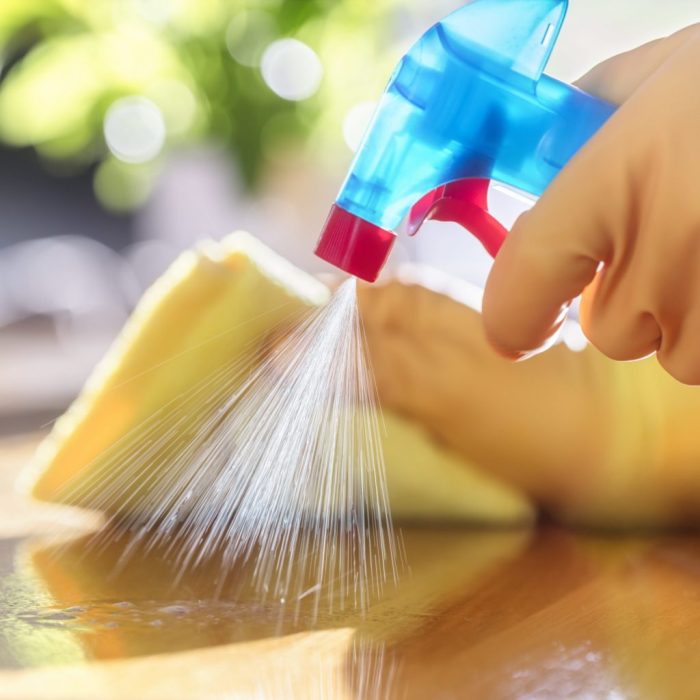
In conclusion, cleaning thrifted clothes and furniture doesn’t have to be daunting. By following these simple guidelines and tips, you can effectively clean your new secondhand finds and keep them looking their best. Remember, proper cleaning not only enhances the aesthetic appeal of your items but also extends their lifespan. Thorough pre-purchase inspection and understanding the unique needs of each item will help you make the most of your thrifting adventures.