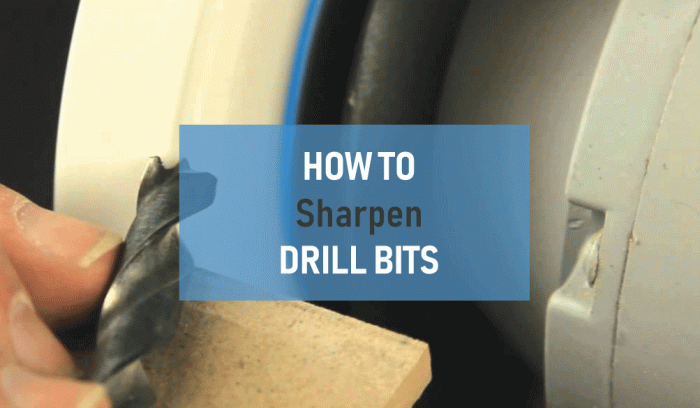




How to sharpen drill bits is a crucial skill for any DIY enthusiast or professional. Properly sharpened drill bits ensure clean, accurate holes, extend the life of your tools, and prevent frustrating breakdowns. This guide dives deep into the various types of drill bits, the necessary tools, different sharpening methods, and even advanced techniques to maintain peak performance.
From basic file sharpening to the precision of a grinder, we’ll cover everything you need to know. Understanding the nuances of different drill bit materials and the potential consequences of dull bits is key to mastering this craft. We’ll also provide troubleshooting tips to address common issues you might encounter during the process.
Introduction to Sharpening Drill Bits

Properly sharpened drill bits are essential for efficient and accurate drilling. A dull drill bit can lead to a frustrating and time-consuming project, potentially damaging the workpiece and even causing injury. Understanding the different types of drill bits and their optimal sharpening methods is crucial for achieving optimal results. This section will delve into the importance of sharpening, the diverse types of bits, and the pitfalls of using dull bits.Using dull drill bits can result in several negative consequences.
The drill bit may bind in the material, leading to difficulty and potentially damaging the bit or the workpiece. Excessive friction can also cause overheating, potentially burning the material or the bit itself. Finally, the inconsistent and poor quality of the hole made can cause issues with the subsequent assembly or fitting of components. It’s therefore essential to maintain the sharpness of drill bits to ensure smooth, efficient, and safe drilling operations.
Drill Bit Types and Materials
Drill bits are available in various materials and geometries, each suited to different materials. Choosing the right bit for the task is vital for success. Steel drill bits are common for general-purpose drilling in wood, plastics, and some metals. High-speed steel (HSS) bits are ideal for tougher materials like metals and composites. Diamond bits are used for drilling hard materials like stone and ceramic tiles.
- Steel Drill Bits: Commonly used for softer materials, steel bits are a cost-effective option for general-purpose drilling. Their suitability for various materials makes them widely available and readily used. Their limitations are their relatively low durability and potential to dull quickly when working with tougher materials. Steel bits are well-suited for wood, plastics, and some soft metals.
- High-Speed Steel (HSS) Drill Bits: These bits are designed for harder materials, offering superior durability and heat resistance compared to steel bits. Their resistance to wear and tear allows them to maintain their sharpness for longer periods, making them suitable for frequent use in tougher materials. HSS bits are often the preferred choice for drilling metals, composites, and other materials requiring a more robust drill bit.
- Diamond Drill Bits: Used for drilling hard materials such as stone, ceramic, and glass, diamond bits utilize the exceptional hardness of diamond to cut through these materials. Their unique construction ensures that they maintain their sharpness even when working with exceptionally tough materials. Diamond bits are indispensable for tasks requiring precise and efficient drilling in hard materials.
Consequences of Using Dull Drill Bits
Dull drill bits increase the risk of binding, overheating, and material damage. The added friction from dull bits can also cause significant stress on the power drill, potentially leading to motor overload or damage. Furthermore, the quality of the hole drilled is compromised, which can have serious implications for subsequent assembly or fit.
Sharpening Methods for Different Drill Bit Types
The optimal sharpening method depends on the drill bit type. Different materials require specific sharpening techniques. The table below provides a comparison of various drill bit types and their recommended sharpening approaches.
Sharpening drill bits is a crucial DIY skill, but sometimes the most frustrating part is keeping your tools in tip-top shape. Knowing how to properly maintain your drill bits can save you a lot of time and frustration, especially when working on projects. For instance, if you’re looking for a new, interesting hobby, learning about air plants, like what are air plants , could be a fascinating addition to your tool collection! Ultimately, sharpening drill bits is all about precision and proper technique; it’s a rewarding skill that will help you get more out of your DIY projects.
| Drill Bit Type | Optimal Sharpening Method | Considerations |
|---|---|---|
| Steel Drill Bits | Grinding with a coarse grit abrasive wheel, followed by fine grit for a smooth finish. | Steel bits dull quickly and require frequent sharpening. |
| High-Speed Steel (HSS) Drill Bits | Grinding with a medium-grit abrasive wheel, then fine grit for a polished edge. | HSS bits are more durable but still require sharpening. |
| Diamond Drill Bits | Generally do not require sharpening in the traditional sense, but maintaining the integrity of the diamond cutting edge is important. | Diamond bits are extremely durable but can be damaged if not handled carefully. |
Essential Tools and Materials
Sharpening drill bits effectively requires the right tools and materials. Improper tools can lead to inconsistent results, potentially damaging the bit or even causing injury. Careful selection and proper handling of these tools are crucial for achieving a precise and safe sharpening process.
Required Tools
Choosing the right tools for sharpening drill bits is paramount to achieving a precise and safe sharpening process. These tools will allow for controlled and accurate adjustments, ensuring a consistent and reliable outcome.
- A sharpener: This is the primary tool for sharpening the drill bit. Different types of sharpeners exist, each designed for specific drill bit sizes and materials. For instance, a specialized drill bit sharpener may have multiple grinding wheels or segments to accommodate various shapes and sizes. A high-quality sharpener ensures a uniform and consistent grind, critical for achieving a perfect point.
Some examples include hand-held sharpeners, benchtop models, or even specialized machine sharpeners depending on the scale of the sharpening operation.
- A drill bit gauge: Used to measure the diameter of the drill bit to ensure that the sharpening process is consistent across various drill bits. It is an essential tool to avoid accidentally sharpening a drill bit to an inappropriate size, which can affect its performance. This gauge is available in different materials, such as metal, plastic, or even digital measuring devices.
This measurement is crucial to maintain the precision of the drill bit.
- Safety glasses and gloves: Protecting your eyes and hands from flying debris and sharp edges is essential during the sharpening process. This will reduce the risk of injury. The best type of safety glasses and gloves should be selected depending on the potential hazards of the sharpening process and the materials used.
- A lubricant (optional): Using a lubricant during the sharpening process can help to reduce friction and heat buildup on the drill bit. Lubricants like oil or grease can significantly reduce the risk of damage and help maintain the integrity of the bit. This is especially important when working with high-carbon steel bits.
Safety Precautions
Adhering to safety precautions during the sharpening process is paramount. This reduces the risk of accidents and ensures a safe and efficient work environment.
| Tool | Description | Recommended Safety Precautions |
|---|---|---|
| Sharpener | The device used to grind or sharpen the drill bit. | Always wear safety glasses and gloves. Ensure the sharpener is properly secured and stable. Avoid touching the grinding wheels or other moving parts while the sharpener is running. Inspect the sharpener for any damage before each use. |
| Drill bit gauge | A tool for measuring the diameter of the drill bit. | Handle with care to avoid dropping or damaging the gauge. Ensure the gauge is clean and free of any obstructions. |
| Safety glasses | Protective eyewear to prevent eye injuries. | Ensure the safety glasses are properly fitted and securely fastened. Replace damaged or scratched safety glasses. |
| Gloves | Protective hand wear to prevent cuts and abrasions. | Ensure the gloves are appropriate for the task. Replace worn-out or damaged gloves. |
| Lubricant (if used) | Reduces friction and heat buildup. | Follow the manufacturer’s instructions for proper use and disposal. Avoid contact with skin and eyes. |
Different Sharpening Methods
Choosing the right sharpening method for your drill bits depends heavily on the type of drill bit, your available tools, and your desired level of precision. Different methods offer varying degrees of control and efficiency, impacting the final sharpness and longevity of your tools. Understanding the nuances of each approach is crucial for maintaining optimal drilling performance.
File Sharpening
File sharpening is a practical method for sharpening drill bits, especially for those with limited access to more sophisticated equipment. Files offer a relatively accessible way to restore the cutting edge, although it demands a steadier hand and greater attention to detail compared to other methods. This method is often well-suited for smaller, less demanding drill bits.
- Tools: A variety of files, ranging from coarse to fine grit, are essential for this method. A good quality bench vise is highly recommended for secure and stable bit placement during the sharpening process. A magnifying glass can aid in fine adjustments, improving accuracy.
- Steps: First, secure the drill bit in a vise. Then, using a coarse file, remove any significant burrs or nicks. Next, switch to a progressively finer file, gradually refining the cutting edge until it’s sharp and smooth. Ensure even pressure and strokes across the entire cutting edge. Regularly check the angle using a sharpening guide to maintain the correct bevel.
Sharpening drill bits is crucial for precise work, but sometimes a bit of DIY can get a little frustrating. For example, tackling mold in your bathroom can be a real pain, requiring a dedicated approach. Luckily, there are excellent resources out there, like this guide on how to get rid of mold in bathroom , that can help you tackle those stubborn spots.
Once you’ve conquered that bathroom menace, you can return to the task of sharpening your drill bits with renewed vigor and a cleaner workspace.
After sharpening, inspect the bit’s sharpness and re-sharpen if needed.
- Safety Tips: Always wear safety glasses to protect your eyes from flying debris. Maintain a firm grip on the file and the drill bit to prevent slippage. Work in a well-ventilated area to avoid inhaling metal dust. Take breaks as needed to prevent fatigue.
Grinder Sharpening
Grinder sharpening is a faster method for sharpening drill bits, especially for those needing to sharpen multiple bits quickly. The high-speed nature of a grinder requires extreme caution and expertise to avoid damaging the drill bit. Precision and proper technique are essential to maintain the bit’s geometry and prevent overheating.
- Tools: An angle grinder or a bench grinder with a sharpening wheel, and appropriate safety gear (safety glasses, gloves, and a face shield) are crucial for this method. A sharpening jig or guide can help maintain the correct sharpening angle and prevent inconsistent results.
- Steps: Secure the drill bit in the chuck of the grinder. Begin with a light touch, and gradually increase pressure as you refine the edge. Ensure you’re maintaining the correct bevel angle, typically between 60 and 75 degrees. Take frequent breaks to prevent overheating of the bit. Inspect the bit’s sharpness regularly to avoid over-sharpening.
A sharp, well-maintained grinder wheel is key for smooth and efficient sharpening.
- Safety Tips: Use a face shield to protect your face and eyes from sparks and debris. Always wear gloves to protect your hands. Work in a well-ventilated area, and keep a fire extinguisher readily available.
Sharpening Stone Sharpening
Sharpening stones offer a more precise and controlled approach to sharpening drill bits. This method, often favored for its meticulous precision, requires a steady hand and the ability to consistently maintain the sharpening angle. It is an excellent option for achieving a very sharp and long-lasting edge.
- Tools: Sharpening stones with different grits, such as coarse, medium, and fine, are essential. A honing guide is often recommended to maintain a consistent sharpening angle. A water supply is important for cooling the sharpening stone and preventing overheating of the bit. A good quality magnifying glass will help you maintain precision.
- Steps: Secure the drill bit on the honing guide and hold it at the correct sharpening angle. Apply light pressure while drawing the bit across the sharpening stone in a consistent motion. Regularly switch to finer grits to achieve the desired sharpness. Inspect the cutting edge often, checking for burrs and nicks. Once the desired sharpness is achieved, apply a honing oil to the edge.
- Safety Tips: Wear safety glasses to protect your eyes. Ensure proper ventilation to prevent dust inhalation. Maintain a firm grip on the bit to prevent slippage. Take breaks as needed.
| Method | Tools | Steps | Safety Tips |
|---|---|---|---|
| File Sharpening | Files, vise, magnifying glass | Secure bit, coarse file for burrs, finer files for edge, check angle | Safety glasses, firm grip, ventilated area |
| Grinder Sharpening | Angle grinder/bench grinder, sharpening wheel, jig | Secure bit, light touch, maintain angle, check sharpness | Face shield, gloves, ventilated area, fire extinguisher |
| Sharpening Stone Sharpening | Sharpening stones, honing guide, water | Secure bit, consistent motion, switch grits, inspect edge | Safety glasses, ventilation, firm grip, breaks |
Step-by-Step Sharpening Procedures
Sharpening drill bits is a crucial skill for any DIY enthusiast or professional machinist. Properly sharpened drill bits ensure accurate holes, reduce material wear, and prolong the life of your tools. Understanding the nuances of different sharpening methods is key to achieving optimal results. This section dives into detailed procedures for using files, grinders, and sharpening stones to restore your drill bits’ cutting edge.Sharpening techniques require precision and patience.
A consistent approach, following each step meticulously, is vital for a sharp, durable drill bit. The specific method chosen will depend on the type of drill bit, the desired sharpness, and the equipment available. Let’s explore the step-by-step processes for each technique.
Sharpening with a File, How to sharpen drill bits
Using a file for sharpening drill bits offers a more controlled and precise method compared to other techniques. Files come in various shapes and grits, allowing for adjustments to the bit’s shape. The right file selection is critical for achieving a clean and efficient sharpening process.
- Assess the damage: Carefully inspect the drill bit for the extent of the dullness. A dull drill bit will often have a rounded tip or a significant loss of the original sharp edge.
- Secure the drill bit: Place the drill bit on a stable surface, ensuring it doesn’t move during the sharpening process. A vise or a sturdy workbench surface is ideal.
- Select the appropriate file: Choose a file with a grit that matches the desired sharpness. A finer grit file will result in a sharper edge, while a coarser grit file will be faster but may not be as precise.
- Sharpen in a consistent direction: Use a smooth, even motion while filing. Avoid jerky or uneven strokes, which can cause damage to the drill bit or an inconsistent edge.
- Maintain the correct angle: Maintain a consistent angle while sharpening. This will ensure that the drill bit has a uniform cutting edge. A sharpening guide or a reference angle can be very helpful.
- Evaluate the sharpness: Periodically test the sharpness of the drill bit. Try drilling a small pilot hole in a soft material like wood or plastic. Assess the smoothness and precision of the hole.
Sharpening with a Grinder
Using a grinder for sharpening drill bits is a faster method but requires more caution due to the higher speeds and potential for damage. Always prioritize safety when using a grinder.
- Safety first: Ensure you have appropriate safety glasses, gloves, and a dust mask when using a grinder. A grinder’s high speed can cause flying debris and sparks.
- Secure the drill bit: Use a drill chuck or a drill bit holder to secure the drill bit in place. This prevents accidental slippage and ensures accurate sharpening.
- Select the correct grinding wheel: Use a grinding wheel designed for metal work. The grit of the wheel should match the desired sharpness of the drill bit.
- Maintain a controlled motion: Maintain a steady, controlled motion while grinding the drill bit. Avoid excessive pressure, which can overheat the drill bit and cause damage.
- Monitor the angle: Ensure the angle of the grinding wheel remains consistent throughout the sharpening process. Using a sharpening guide will assist in maintaining the correct angle.
- Test and refine: Test the sharpness of the drill bit after each grinding session. Repeat the grinding process as needed to achieve the desired sharpness and edge geometry.
Sharpening with a Sharpening Stone
Sharpening with a sharpening stone is a more precise method than grinding and offers greater control over the final edge.
- Select the appropriate stone: Use a sharpening stone with a grit suitable for the drill bit material. Finer grits produce sharper edges.
- Prepare the stone: Ensure the stone is properly lubricated with water or honing oil to prevent the drill bit from overheating and to aid the sharpening process.
- Apply consistent pressure: Apply a consistent amount of pressure during sharpening. Excessive pressure can damage the stone or the drill bit. Light pressure is preferable.
- Maintain the correct angle: Maintain the correct sharpening angle throughout the process. A sharpening guide or reference can help.
- Evaluate the sharpness: Regularly test the sharpness of the drill bit to ensure the process is effective.
Comparison Table
| Sharpening Method | Step 1 | Step 2 | Step 3 |
|---|---|---|---|
| File | Inspect the drill bit | Secure the drill bit | Select the appropriate file |
| Grinder | Safety precautions | Secure the drill bit | Select the correct grinding wheel |
| Sharpening Stone | Select the appropriate stone | Prepare the stone | Apply consistent pressure |
Maintaining and Caring for Drill Bits
Keeping your drill bits in top condition is crucial for efficient and safe drilling. Proper storage and maintenance not only prolong the life of your bits but also ensure they perform optimally, reducing the risk of breakage and improving accuracy. This section details the best practices for preserving the sharpness and longevity of your drill bits.
Best Practices for Storage
Proper storage is essential for maintaining the sharpness and integrity of drill bits. Bits stored haphazardly or exposed to harsh environments are more likely to sustain damage, leading to premature dulling and potential breakage. Organized storage ensures easy access and protects the bits from dust, moisture, and other elements that can degrade their quality.
- Store drill bits in a dedicated, organized container, such as a drawer organizer, toolbox, or a specialized drill bit holder.
- Use dividers or compartments to keep bits separated by size, type, or material.
- Store bits in a dry, cool environment, away from direct sunlight and excessive heat or humidity.
- Consider using a protective coating (like a thin layer of oil or wax) to prevent rust and corrosion if the bits are not immediately used.
- Avoid storing bits in areas prone to significant temperature fluctuations, as these can affect their metal structure.
Recognizing a Dull Drill Bit
Identifying a dull drill bit early can prevent more significant damage to the bit and the workpiece. A dull drill bit will require more force to penetrate the material, leading to increased friction and potential overheating. This can cause the bit to break or create an uneven or poor quality hole.
Keeping your drill bits sharp is crucial for smooth drilling, but sometimes a bit of a dull drill bit can be a real pain. Proper sharpening techniques are key, and knowing how to do it right can save you time and frustration. For example, if you’re tackling a rose bush transplant, having sharp tools is vital, and the same goes for maintaining your gardening tools, like the ones used for the tips for transplanting roses.
After all, a dull bit will take longer and exert more pressure, leading to more effort and potential damage. So, mastering sharpening techniques is worth the effort, especially when you’re tackling a DIY project involving drilling.
- A noticeable increase in the force needed to drill a hole is a primary indicator of a dull bit. A dull bit will often require more effort to penetrate the material, resulting in increased pressure and force applied.
- The drill bit may exhibit excessive vibration or bind when drilling. This binding or excessive vibration can be caused by a lack of sharpness in the bit’s cutting edge, causing the bit to not smoothly penetrate the material.
- The bit may produce more dust or debris than usual during drilling. A dull bit may create more dust and debris as it is not smoothly cutting through the material. This increased debris is a clear indicator that the bit’s sharpness is diminishing.
- The drilled hole may appear irregular or uneven. If the hole is not round or exhibits imperfections, the bit is likely dull, affecting the precision and quality of the drilled hole.
Importance of Proper Storage
Proper storage prevents damage from external factors, ensuring that drill bits remain sharp and usable for longer periods. Dust, moisture, and other environmental elements can cause corrosion and dulling, reducing the efficiency and longevity of the bit. Maintaining a controlled environment helps preserve the integrity of the bit, extending its lifespan and overall performance.
- Proper storage protects drill bits from the elements, preserving their sharpness and preventing premature wear.
- Organized storage makes it easy to find the specific bit needed, minimizing time spent searching and maximizing efficiency.
- Preventing rust and corrosion through appropriate storage practices maintains the structural integrity of the bit, reducing the risk of breakage during use.
Extending the Lifespan of Drill Bits
Several techniques can help extend the lifespan of your drill bits. These strategies involve proper use, maintenance, and storage practices. By following these tips, you can ensure your drill bits remain sharp and efficient for a longer period.
- Use the correct drill bit for the material being drilled. Using an inappropriate bit can cause the bit to overheat and dull more quickly.
- Maintain a steady drilling speed. Over-speeding can lead to overheating and premature wear.
- Use appropriate lubrication during drilling. Lubrication can reduce friction and heat buildup, prolonging the bit’s lifespan.
- Regularly inspect drill bits for signs of damage. Any damage, like chips or cracks, should be addressed immediately to prevent further issues.
Storage and Maintenance Tips
Following these guidelines will ensure your drill bits remain sharp and in good condition for extended use.
- Store drill bits in a cool, dry place, away from direct sunlight.
- Use a dedicated storage container to prevent damage from other tools.
- Regularly inspect drill bits for signs of damage or dullness.
- Properly clean drill bits after use to remove any debris or material.
- Use a lubricant during drilling, if appropriate, to reduce friction and heat.
Troubleshooting Common Issues
Sharpening drill bits can sometimes be tricky, and unexpected problems can arise. Understanding potential pitfalls and how to address them is crucial for achieving a consistently sharp and effective drill bit. This section details common issues encountered during the sharpening process, providing solutions to help you avoid frustration and maintain precision.
Causes of Improper Sharpening
Several factors can lead to a drill bit that doesn’t sharpen properly. Incorrect technique, using the wrong tools, or inadequate preparation are common culprits. Furthermore, the quality of the drill bit itself plays a role. A pre-existing damage or a material with poor composition can hinder the sharpening process.
Identifying and Fixing Sharpening Issues
Accurately diagnosing the problem is the first step towards a successful fix. Observe the drill bit’s condition after each sharpening attempt. Is the bevel uneven? Are there burrs or nicks? These visual cues can pinpoint the source of the issue.
If the bevel is uneven, the angle of the sharpening tool or the consistency of your sharpening motion might be the problem. Nicks or burrs often indicate insufficient care during the sharpening process or the use of inappropriate sharpening tools. Analyzing the problem in detail will help in determining the exact cause.
Common Problems, Causes, and Solutions
| Problem | Cause | Solution |
|---|---|---|
| Uneven bevel | Inconsistent sharpening angle, incorrect sharpening tool angle, or inconsistent pressure during sharpening. | Ensure the sharpening tool is correctly aligned and maintain a consistent angle throughout the sharpening process. Use a honing guide or a sharpening jig for added precision. Adjust pressure as needed to prevent excessive material removal from one side of the bit. |
| Burrs and nicks | Insufficient sharpening, using blunt tools, or insufficient care during the process. Sometimes, the material of the drill bit itself may be brittle or prone to chipping. | Re-sharpen the drill bit using a finer grit stone or sharpening tool. Apply gentle pressure and consistent strokes. If burrs persist, use a fine file to carefully remove them. |
| Drill bit not holding its sharpness | Drill bit material quality issues, improper sharpening technique, or excessive pressure on the drill bit during use. | Choose high-quality drill bits with a known reputation for holding sharpness. Follow the correct sharpening procedure precisely. Be mindful of the pressure applied during drilling to prevent unnecessary wear and tear on the bit. Assess if the material being drilled is causing undue stress on the bit. |
| Drill bit breaking during sharpening | Using excessive force or pressure, improper sharpening technique, or using an inappropriate sharpening tool. Also, the material composition of the bit itself may contribute to its brittleness. | Reduce the pressure applied during sharpening. Ensure that the sharpening tool is sharp and in good condition. If the bit is known to be brittle, consider using a different sharpening method or tool. Assess the material composition of the drill bit itself. |
Visual Aids and Illustrations: How To Sharpen Drill Bits

Seeing is believing, especially when it comes to sharpening drill bits. Visual aids make the process significantly easier to understand and execute correctly. Illustrations provide a clear reference point for maintaining the proper angles and techniques, crucial for achieving a sharp, durable drill bit.Detailed visualizations of different drill bit types, sharpening tools, and the sharpening process itself are essential for mastering this skill.
This section will guide you through these visual aids, providing a comprehensive understanding of the required angles and procedures.
Drill Bit Types
Understanding the various drill bit types is vital for selecting the appropriate sharpening technique. Different drill bits have different geometries, influencing the sharpening process. The following table Artikels common drill bit types and their characteristics:
| Drill Bit Type | Description | Sharpening Considerations |
|---|---|---|
| Twist Drill Bit | The most common type, characterized by a helical flute and a sharp point. | Focus on maintaining the precise angle of the flutes. |
| Countersink Bit | Designed to create a countersunk hole for screws or fasteners. | Sharpening should focus on the cutting edges of the countersink area. |
| Auger Bit | Used for creating larger, deeper holes, typically for wood. | Sharpening must address the entire cutting surface, maintaining consistent angles. |
Sharpening Tools
Proper selection and understanding of sharpening tools are critical for achieving precise results.
- Files: Files are essential for manual sharpening, offering a controlled and precise method. They are typically used for fine adjustments and touch-ups. Different file types are designed for different tasks. For example, flat files are used for flat surfaces, while round files are suitable for curved surfaces.
- Grinders: Grinders provide a faster sharpening method, especially for larger tasks. The speed and power of grinders allow for more significant material removal. Proper use of a grinder requires caution and precision to avoid damaging the drill bit.
- Sharpening Stones: Sharpening stones offer a fine-tuning approach, allowing for a very precise and controlled sharpening process. Different grits of stones cater to different sharpening needs, from initial shaping to fine-tuning. Choosing the right grit is crucial for maintaining a sharp edge.
Sharpening Angle Illustration (File Method)
Maintaining the correct angle when sharpening with a file is crucial for a sharp and durable drill bit. The illustration below shows the correct angle for sharpening a twist drill bit using a file.
(Imagine a clear diagram here. It should show a drill bit held at a 60-degree angle to a file. The file should be positioned at a precise angle to the drill bit’s cutting edge, maintaining a consistent angle across the entire length of the cutting edge. The image should also highlight the importance of maintaining consistent pressure and a controlled stroke.)
Holding Drill Bit Illustration (Grinder Method)
Using a grinder to sharpen drill bits requires proper technique to prevent damage and ensure an accurate result. The illustration below demonstrates the correct way to hold a drill bit during sharpening using a grinder.
(Imagine a clear diagram here. It should show a drill bit held firmly in a vise or a specialized drill bit holder. The grinder should be positioned at a specific angle relative to the drill bit’s cutting edge. The illustration should highlight the importance of using a slow and controlled motion to avoid overheating or damaging the bit. Show the angle of the grinder and the drill bit, as well as the hand holding the drill bit.)
Sharpening Stone Maintenance
Maintaining the sharpness of a sharpening stone is crucial for consistent results.
- Regular Cleaning: Periodically clean the sharpening stone with a soft brush or cloth to remove any metal particles or debris. This prevents clogging and ensures the stone’s effectiveness.
- Proper Lubrication: Lubrication with water or oil helps to keep the stone lubricated and prevents premature wear. It also enhances the cutting action.
- Stroking Technique: Consistent stroking in one direction across the stone helps to maintain its sharpness and avoids damaging the surface of the stone.
Advanced Sharpening Techniques
Beyond the basics, mastering advanced sharpening techniques unlocks the full potential of your drill bits. These methods, often requiring more precision and specialized tools, are crucial for maintaining exceptional cutting performance and longevity, particularly for demanding tasks. By understanding and applying these techniques, you can significantly improve the accuracy and efficiency of your drilling operations.
Advanced Angle Control
Precise angle control is paramount in advanced sharpening. Different drill bit types necessitate specific angles for optimal performance. Incorrect angles can lead to premature dulling, reduced cutting power, and potential damage to the workpiece. Maintaining consistent angles throughout the sharpening process is vital for a uniform cutting edge. A honing guide or a dedicated sharpening jig can significantly aid in maintaining precise angles.
Pressure and Stroke Application
Consistent pressure and stroke application are critical for achieving a uniformly sharpened edge. Applying excessive pressure can lead to uneven sharpening, while insufficient pressure may not effectively remove material from the cutting edge. A controlled, even pressure throughout each stroke is essential. Practice is key to developing a feel for the appropriate pressure and stroke length needed for each drill bit type.
Specific Drill Bit Types and Techniques
Different drill bit types respond differently to sharpening techniques. Understanding these nuances is crucial for achieving optimal results.
- Twist Drill Bits: These are the most common type and benefit from meticulous angle control. A slight taper in the sharpening angle, often referred to as a “relief angle,” is often beneficial for maintaining a keen edge and reducing friction. Using a honing guide and applying consistent pressure during the sharpening process is critical.
- Step Drill Bits: These require careful attention to the individual steps. Each step must be sharpened to the correct angle to ensure the bit will cut evenly across all step sizes. A honing guide is particularly useful for ensuring accurate angle replication across each step.
- Countersinking Bits: The countersinking portion needs a different sharpening angle than the main cutting edge. The countersinking portion needs to be sharpened at a shallower angle to avoid digging too deep into the material. This specialized angle ensures smooth and efficient countersinking.
Sharpening Technique Comparison Table
The following table Artikels the recommended sharpening techniques for various drill bit types, highlighting the critical angles and pressure applications:
| Drill Bit Type | Recommended Sharpening Angle (degrees) | Pressure Application | Specific Considerations |
|---|---|---|---|
| Twist Drill Bits | 55-60 degrees | Consistent, moderate pressure | Maintain a relief angle for reducing friction |
| Step Drill Bits | Dependent on step size; consult manufacturer’s recommendations | Consistent, moderate pressure on each step | Ensure even sharpening across all steps |
| Countersinking Bits | 30-40 degrees (countersinking portion) | Moderate pressure | Sharpen the cutting edge portion as per twist drill bit recommendations |
Final Conclusion
Sharpening drill bits effectively is a valuable skill that saves time, money, and frustration. By following the step-by-step procedures and safety guidelines, you can maintain your drill bits in optimal condition, extending their lifespan and achieving consistently precise results. Remember to prioritize safety and practice patience throughout the process, and you’ll be well on your way to becoming a drill bit sharpening expert.