


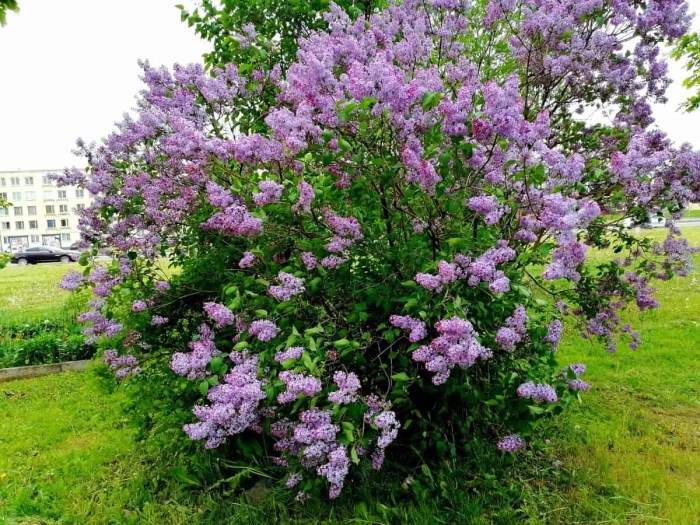
Privet hedges for privacy are a popular choice for creating a secluded outdoor space. They offer a natural, elegant solution to enhance your property’s privacy. This guide delves into everything you need to know, from selecting the right variety to maintaining a lush and healthy hedge, ensuring your privacy goals are met.
We’ll explore different privet types, planting techniques, and maintenance strategies. Plus, we’ll compare privet hedges with other privacy solutions, examining the pros and cons of each approach. Learn how to create a beautiful and functional privacy screen that complements your landscaping style while being mindful of environmental impact.
Introduction to Privet Hedges for Privacy
Privet hedges are a popular choice for creating privacy screens and boundaries in gardens and yards. Their dense foliage and relatively fast growth rate make them an attractive option for homeowners seeking a quick and effective solution. Proper selection and maintenance are key to achieving a lush, healthy hedge that provides excellent privacy. Understanding the various types, factors, and considerations involved in privet hedge installation is crucial for successful outcomes.Privet hedges come in various cultivars, each with distinct characteristics influencing their suitability for different applications.
This range in types allows for tailored choices based on the desired aesthetic and functional needs. Different varieties will exhibit variations in size, growth habits, and foliage density, impacting the level of privacy they offer. Choosing the right type for your space is vital for achieving the desired outcome.
Types of Privet Hedges
Common privet (Ligustrum vulgare) is a readily available and versatile option. Japanese privet (Ligustrum japonicum) is another frequently used variety known for its dense foliage and rapid growth, although it can be more prone to certain diseases. Other varieties like Chinese privet (Ligustrum sinense) are also used but may have different maintenance requirements. The selection process depends heavily on the specific conditions and desired results.
Factors to Consider When Choosing Privet Hedges
Several crucial factors must be considered when selecting privet hedges for privacy. These include the desired height and width of the hedge, the available space, and the climate conditions. The sunlight exposure and soil type are equally important as they influence the hedge’s growth and health. Understanding the local climate and soil conditions is critical for selecting a variety that thrives in the specific environment.
Successful Privet Hedge Installations
One successful installation involves a homeowner who carefully assessed their property’s layout and desired privacy level. They chose a fast-growing variety of common privet, ensuring adequate spacing for the desired density. Regular pruning and maintenance have kept the hedge well-shaped and healthy. Another example demonstrates how a homeowner in a sunnier climate chose a more drought-tolerant variety of Japanese privet to reduce the risk of water stress.
Privet hedges are fantastic for creating privacy in your garden. But while you’re focusing on outdoor privacy, don’t forget about the interior! A fresh coat of paint can transform your kitchen, and some surprisingly beautiful colors, like a muted sage green or a warm terracotta, are often overlooked. Check out some underrated kitchen paint colors for inspiration here.
Ultimately, a well-maintained privet hedge will keep your outdoor space feeling private and serene, just like a beautifully painted kitchen makes your home feel inviting.
These examples illustrate how tailored choices and appropriate maintenance practices lead to successful privacy hedges.
Privet hedges are fantastic for creating privacy in your garden, but before you get started, make sure your home’s water pressure is sufficient. Proper water pressure is crucial for keeping your plants healthy and thriving, which is essential for maintaining your privet hedge’s lush appearance. You can easily test your water pressure at home with a few simple steps.
Knowing the details of testing water pressure in your home will ensure your hedge gets the right amount of water, which will help it to grow and provide the privacy you’re looking for. Ultimately, a healthy, well-watered privet hedge is the key to a private outdoor sanctuary.
Comparison of Privet Varieties
| Variety | Height (ft) | Growth Rate (ft/yr) | Maintenance Needs |
|---|---|---|---|
| Common Privet | 6-12 | 2-4 | Moderate pruning required for shape and control |
| Japanese Privet | 8-15 | 3-5 | Regular pruning needed to maintain size and shape, susceptible to some diseases |
| Chinese Privet | 6-10 | 2-3 | Less maintenance than Japanese, but may require more frequent trimming |
This table provides a concise overview of different privet varieties, highlighting key characteristics. It aids in comparing the growth potential and maintenance requirements of each type, allowing for informed decisions based on individual needs. Factors like the expected height, growth rate, and necessary maintenance should be carefully weighed before selecting a specific privet variety.
Planning and Design Considerations
Transforming your property into a private oasis with a privet hedge requires careful planning. Understanding your property’s unique characteristics and considering the design elements will ensure a beautiful and functional hedge that effectively screens your space. This section dives into the crucial steps involved in assessing your property, designing the hedge layout, and maximizing privacy through shape, size, and placement.A well-designed privet hedge is more than just a visual barrier; it’s a key element in enhancing your property’s aesthetic appeal and creating a tranquil retreat.
The planning phase sets the stage for the hedge’s longevity and effectiveness, ensuring that it meets your privacy needs and complements the overall landscape.
Assessing Your Property for Suitable Privet Hedge Placement
Before planting a privet hedge, a thorough assessment of your property is essential. This involves identifying areas where the hedge can provide the most effective privacy, considering factors like sunlight exposure, soil conditions, and existing landscaping features. Understanding the microclimates within your yard is crucial. Some areas might receive more direct sunlight, while others might be shaded. Different privet varieties thrive in different conditions, so this assessment helps you choose the right variety for your specific needs.
Consider factors such as slope, drainage, and proximity to utilities or other structures.
Factors to Consider When Designing the Layout of the Hedge
Several factors influence the effective design of your privet hedge layout. Consider the existing landscape, including trees, shrubs, and pathways. The hedge should complement these features rather than clash with them. Existing structures, such as fences or walls, can influence the hedge’s placement and shape. Think about the intended purpose of the hedge.
Is it solely for privacy, or will it also serve as a visual screen or a backdrop for other landscaping elements?
Privet hedges are fantastic for creating privacy in your yard, but sometimes you need to furnish your new private space. Finding affordable furniture can be tricky, but thankfully, there are some great places to find amazing deals, like best places to buy furniture on a budget. Once you’ve got your stylish new furniture, you can really enjoy the privacy your privet hedge provides.
Different Hedge Shapes and Sizes for Maximizing Privacy
The shape and size of your hedge significantly impact its privacy-enhancing capabilities. A dense, well-maintained hedge is crucial for effective screening. Consider the height and width needed to achieve the desired privacy level. For instance, a taller hedge will provide more privacy than a shorter one. Different hedge shapes can also enhance privacy.
A formal hedge, trimmed into precise shapes like rectangles or squares, can add a structured aesthetic. A more informal hedge, with a natural, undulating shape, blends more seamlessly with the surrounding landscape.
Importance of Proper Spacing and Alignment for an Effective Privacy Screen
Proper spacing and alignment are essential for creating an effective privacy screen. The spacing between plants should allow for sufficient growth and prevent overcrowding. Too little spacing can result in the hedge looking dense but not achieving the desired privacy level. Conversely, too much spacing can leave gaps in the hedge, compromising the effectiveness of the privacy screen.
Ensuring proper alignment ensures the hedge forms a continuous barrier, maximizing its privacy-enhancing capabilities. A straight line alignment can be visually appealing, while a curved alignment can blend the hedge more naturally into the landscape.
Table of Hedge Shapes and Privacy Benefits
| Hedge Shape | Privacy Benefits |
|---|---|
| Formal (e.g., square, rectangle) | Provides a structured, visually appealing privacy screen. Can create a sense of formality and order. |
| Informal (e.g., natural, undulating) | Blends more seamlessly with the surrounding landscape. Creates a softer, more organic aesthetic. |
| Combination | Combines the structured look of formal shapes with the natural beauty of informal hedges. Provides flexibility in achieving both aesthetic appeal and privacy. |
Steps Involved in Creating a Plan for the Hedge Layout
A well-structured plan ensures the successful implementation of your privet hedge. Begin by marking the desired boundaries for the hedge on a property map. Next, consider the available space, sunlight exposure, and soil conditions. Determine the appropriate privet variety based on your property’s characteristics. Calculate the required number of plants and spacing needed for your desired hedge height and width.
Finally, create a detailed planting plan, outlining the location of each plant, the required spacing, and any necessary amendments to the soil.
Planting and Maintenance of Privet Hedges

Privet hedges, with their dense foliage and relatively straightforward care, are a popular choice for privacy screens. Proper planting and ongoing maintenance are key to achieving a healthy, attractive hedge that provides the desired seclusion. This section delves into the crucial aspects of establishing and maintaining your privet hedge.Optimal planting times for privet hedges are crucial for successful establishment.
Choosing the right time ensures the plant has the best chance to acclimate and develop a robust root system before harsh weather conditions arrive.
Optimal Planting Time
Privet hedges are best planted in the spring or fall. Spring planting allows the roots to establish before the heat of summer arrives, while fall planting gives the roots a head start before winter. Avoid planting during periods of extreme heat or cold, as this can stress the plants and hinder their ability to thrive.
Planting Procedure
Correct planting techniques are essential for a thriving privet hedge. Dig a hole that’s twice as wide and just as deep as the root ball. Carefully remove the plant from its container and gently loosen any circling roots. Place the plant in the hole, ensuring the top of the root ball is level with the surrounding soil.
Backfill with soil, firming gently around the roots. Water thoroughly to settle the soil and eliminate air pockets.
Watering and Fertilization
Consistent watering is critical, especially during the first few weeks after planting. Water deeply and regularly, allowing the water to penetrate the soil to reach the roots. Once established, privet hedges generally require less frequent watering, but consistent moisture is still important. Fertilize annually in early spring with a balanced fertilizer, following the product instructions for application rates.
Over-fertilizing can harm the plant.
Pruning Techniques
Regular pruning is essential for maintaining the desired shape and size of your privet hedge. Pruning also encourages bushier growth and fuller foliage. Light pruning can be done throughout the growing season to maintain shape. For major shaping, late winter or early spring is ideal, before new growth emerges. Use sharp, clean pruning shears to avoid damaging the plant.
Proper pruning techniques promote healthy growth and prevent disease.
Common Pests and Diseases
Several pests and diseases can affect privet hedges. Common issues include aphids, spider mites, and fungal diseases like powdery mildew. Regular inspections are important to catch problems early. Use insecticidal soap or horticultural oil to control pests, and address fungal issues with fungicides, following product instructions carefully.
Pruning Methods
| Pruning Method | Description | Frequency |
|---|---|---|
| Shearing | Produces a uniform, dense hedge. | Regularly, every 4-6 weeks |
| Lifting | Maintains shape by removing overgrown branches. | As needed, throughout the growing season |
| Thinning | Removes interior branches to improve light penetration and air circulation. | Annually, in late winter or early spring |
Privet Hedges and Other Privacy Solutions
Privet hedges are a popular choice for creating privacy in gardens and yards, but they’re not the only option. Fences, walls, and even strategically placed shrubs can also achieve the desired seclusion. Understanding the strengths and weaknesses of each method, as well as the long-term costs and aesthetic considerations, is key to making the right decision for your property.Choosing the best privacy solution depends on several factors, including the budget, the desired aesthetic, the amount of privacy needed, and the specific location and landscaping style of your property.
A thorough comparison helps homeowners weigh the pros and cons of each approach.
Comparing Privet Hedges with Other Options
Privet hedges offer a natural, visually appealing screen, but they require ongoing maintenance. Alternatives like fences and walls provide immediate and often more permanent privacy, but they may not blend seamlessly with every landscaping style.
Advantages and Disadvantages of Privet Hedges
Privet hedges, while beautiful, require consistent pruning and maintenance to maintain their shape and density. This ongoing effort can be a significant factor in the long run. On the plus side, privet hedges can be integrated into a variety of landscaping styles, from formal gardens to more relaxed natural settings.
- Advantages: Privet hedges offer a natural, visually appealing screen that can be integrated into many landscaping styles. They provide a relatively cost-effective initial investment, though ongoing maintenance needs to be considered. Their adaptability allows for different heights and shapes, catering to diverse privacy needs. They also create a sense of seclusion without the rigid feel of a fence or wall.
- Disadvantages: Privet hedges demand regular pruning to maintain their shape and density. They may not offer immediate privacy as new plants require time to grow. Disease or pest issues can impact the health and appearance of the hedge. Some homeowners may find the maintenance commitment too high.
Advantages and Disadvantages of Fences
Fences are a straightforward solution for privacy. They offer immediate coverage and are often more durable than hedges. However, fences can sometimes clash with the aesthetic of a garden, particularly if not well-designed.
- Advantages: Fences provide immediate and lasting privacy, often requiring less ongoing maintenance compared to hedges. They are available in various materials (wood, vinyl, metal), allowing for a variety of styles and budgets. Fences can be built to specific heights and designs to meet precise privacy requirements.
- Disadvantages: Fences can sometimes disrupt the natural flow of a garden or landscape design. They may require more upfront investment than a hedge, and their aesthetic impact can be quite noticeable. The visual appeal may be less appealing compared to a natural hedge.
Cost-Effectiveness of Privet Hedges
While the initial cost of a privet hedge may be lower than a fence, the long-term maintenance and potential for disease or pest issues should be factored in. Over time, the ongoing upkeep can outweigh the initial investment. Consider the cost of labor for pruning, the frequency of pruning, and potential treatments for diseases.
Aesthetic Appeal of Privet Hedges
Privet hedges can be shaped and maintained to complement various landscaping styles. They blend naturally with gardens, creating a softer, more organic look compared to the often more rigid lines of a fence or wall.
Integration into Landscaping Styles
Privet hedges can be easily incorporated into formal gardens with precise shaping or more informal settings with less structured pruning. Their versatility allows for adaptation to a range of garden styles. The mature height and density of the hedge should be considered for its integration into the landscape.
Pros and Cons of Privet Hedges vs. Fences
| Feature | Privet Hedge | Fence |
|---|---|---|
| Initial Cost | Generally lower | Generally higher |
| Maintenance | Ongoing pruning, potential for disease | Less maintenance, occasional repairs |
| Privacy | Takes time to mature | Immediate privacy |
| Aesthetic Appeal | Natural, organic | Can be more rigid |
| Adaptability | Versatile in different styles | Can sometimes disrupt natural look |
Environmental Impact and Sustainability
Beyond the aesthetic appeal, choosing a privacy hedge involves a deeper consideration for our environment. Privet hedges, while effective, can have significant ecological implications. Understanding these impacts is crucial for making sustainable landscaping choices that benefit both our homes and the natural world.Privet hedges, though popular for their quick growth and dense foliage, can sometimes pose challenges to biodiversity.
Their invasive nature and potential to outcompete native plants are key factors to consider when evaluating their ecological footprint. Finding a balance between privacy and environmental health is essential for responsible gardening.
Environmental Impact of Privet Hedges
Privet, while fast-growing and attractive, can outcompete native plant species, reducing biodiversity. Their aggressive root systems can disrupt the delicate balance of the soil ecosystem. Furthermore, the dense foliage can limit sunlight reaching the ground, hindering the growth of other plants. The lack of diversity can also lead to a decline in the insect and animal populations that depend on these native species for food and shelter.
Sustainability of Privet Hedges and Biodiversity
The sustainability of privet hedges hinges on responsible planting and maintenance practices. Choosing native alternatives can promote biodiversity and support local ecosystems. Incorporating native species not only enriches the environment but also strengthens the resilience of the surrounding natural community. Maintaining a balanced ecosystem supports a wider range of pollinators, beneficial insects, and wildlife, fostering a healthier and more vibrant garden.
Alternative Planting Options for Biodiversity
Many attractive alternatives to privet hedges offer significant advantages in terms of sustainability and biodiversity. Consider native shrubs, like American beautyberry or various types of viburnums, for their resilience and ability to support local wildlife. These plants often require less maintenance than privet, reducing the need for pesticides and fertilizers, and their presence supports local pollinators and birds.
The diversity of native species creates a more vibrant ecosystem. For example, a variety of flowering shrubs or flowering trees can not only provide privacy but also enhance the natural beauty of your garden and attract beneficial insects.
Sustainable Landscaping Practices Incorporating Privet Hedges
Sustainable landscaping practices can minimize the environmental impact of privet hedges. Planting native species around the privet hedge can create a buffer zone, preventing the privet from spreading aggressively. This also encourages a more diverse and balanced ecosystem. Using natural pest control methods, like companion planting or beneficial insects, is crucial. Regularly checking and removing invasive plants is essential for preventing their spread.
Integrating privet hedges with other elements, like native groundcovers, can mitigate the potential negative impacts of their dominance. For example, creating a mixed border that combines privet with native grasses and flowering perennials can offer both privacy and biodiversity.
Comparison of Environmental Impact of Hedging Materials
| Hedging Material | Environmental Impact (Biodiversity Impact) | Sustainability Considerations |
|---|---|---|
| Privet | Potentially negative due to invasiveness and reduced biodiversity | Requires more maintenance, potentially higher resource use |
| Native Shrubs (e.g., Viburnum) | Positive, supports local biodiversity and ecosystems | Lower maintenance, less reliance on pesticides/fertilizers |
| Evergreen Conifers | Can impact local ecosystems if non-native species are used; potential for water consumption concerns | Can be high-maintenance in certain climates |
| Bamboo | Can be invasive if not managed properly | High growth rate, potential for rapid spread |
Visual Examples and Illustrations

Privet hedges offer a visually appealing and effective way to enhance privacy and define property boundaries. Understanding how they look in different scenarios, and how they can be incorporated into various landscape designs, is crucial for making informed decisions. This section provides visual representations and detailed descriptions to aid in your planning process.
Effective Screening with Privet Hedges
A well-established privet hedge, meticulously trimmed and maintained, can create a substantial barrier against unwanted views. Imagine a dense, uniform wall of emerald green privet foliage completely obscuring a neighbor’s house from your property. This visual separation enhances privacy and creates a sense of seclusion. The hedge acts as a natural screen, buffering noise and providing a tranquil atmosphere.
This visual effect is highly dependent on the hedge’s density and height, which can be customized to suit specific needs.
Examples of Well-Maintained Privet Hedges
A well-maintained privet hedge exhibits a healthy, lush appearance. Leaves are uniformly vibrant green, and the hedge maintains a consistent height and shape. Proper pruning and trimming are crucial to achieve this. A straight, neatly trimmed hedge can provide a formal, elegant aesthetic. A more informal, slightly less manicured hedge can create a natural, garden-like atmosphere.
The specific look depends on the desired aesthetic.
Proper Planting Techniques for Privet Hedges
Proper planting techniques are fundamental to the long-term health and effectiveness of a privet hedge. Ensure the planting hole is wide enough to accommodate the root ball without cramping. The soil should be well-drained and amended with compost or other organic matter to improve soil quality. Planting privet hedges at the appropriate depth is crucial for healthy growth.
The top of the root ball should be level with or slightly above the surrounding soil surface. Thorough watering after planting is essential to help the plant settle in.
Privacy Screen Design Using Different Privet Varieties
A privacy screen composed of different privet varieties can offer a unique visual appeal and potentially better performance. For example, a combination of a fast-growing, dense variety like ‘Emerald Green’ and a slightly slower-growing, denser variety like ‘Green Giant’ can create a more complex and layered screen. This layered effect enhances the visual appeal and provides a more sophisticated privacy solution.
Varying leaf sizes and textures can add visual interest to the screen.
Incorporating Privet Hedges into Landscape Designs, Privet hedges for privacy
Privet hedges can be seamlessly integrated into various landscape designs. For a formal garden, a straight, uniformly trimmed hedge can define pathways and create distinct sections. For a more natural look, a slightly less manicured hedge can be incorporated as a backdrop to flowering shrubs or trees. Consider the overall design of the landscape when incorporating privet hedges.
For example, consider the size and scale of the hedge in relation to other features.
Different Privet Hedge Varieties with Illustrative Images
(Note: Visual images are not possible here. However, I can describe what an illustration of this would look like. Imagine a table with columns: Privet Variety, Description, Height (in feet), Growth Rate, and Image (a visual representation). Each row would detail a specific variety, its characteristics, growth potential, and a visual representation of its foliage.
Examples of varieties to include are ‘Emerald Green’, ‘Green Giant’, ‘Henry’s’. The descriptions would highlight their unique features and growth habits. The height and growth rate would provide practical guidance for planning purposes. This table would provide a clear overview of different privet varieties, allowing for a better understanding of their visual characteristics and practical applications.)
Final Summary
In conclusion, privet hedges offer a beautiful and effective way to achieve privacy in your outdoor space. By carefully considering your property’s needs and choosing the right privet variety, you can create a lush and thriving hedge that provides privacy, aesthetic appeal, and long-term value. We’ve covered everything from planting and maintenance to comparing privet hedges with other solutions, ensuring you’re well-equipped to make the best choice for your property.
Remember, a well-planned privet hedge is a beautiful investment in your privacy and your home’s appeal!