


Tall toxic foxglove plants, with their striking height and vibrant flowers, conceal a hidden danger. These captivating yet perilous plants are found in various locations and possess a history of both medicinal and deadly uses. Understanding their identification, toxicity, and safe handling is crucial to appreciating their beauty without risking harm.
This exploration dives into the world of tall foxglove plants, revealing their key characteristics, the toxins they contain, and the potential health consequences of exposure. We’ll examine how to distinguish them from similar-looking, harmless species and provide essential safety precautions for those encountering these magnificent yet menacing flora. Learn about their environmental impact and discover effective control strategies for maintaining a healthy ecosystem.
Finally, we’ll provide examples of specific tall toxic foxglove species to aid in identification.
Introduction to Tall Toxic Foxglove Plants
Foxglove plants, renowned for their striking beauty and elegant spires, are often mistaken for harmless ornamentals. However, their allure masks a potent toxicity. These tall, flowering plants, belonging to theDigitalis* genus, harbor cardiac glycosides, making them highly dangerous if ingested. Understanding their characteristics, varieties, and potential risks is crucial for anyone encountering them in their natural environment or garden.Tall varieties of foxglove, particularly those exceeding 2-3 feet in height, are the most significant concern due to the concentrated nature of their toxins.
The presence of these compounds varies across species, and the overall danger depends on the plant part and amount ingested. A thorough understanding of their identification, distribution, and historical use can enhance awareness and prevent accidental poisoning.
Foxglove Plant Types and Height
Various species within the
- Digitalis* genus exhibit varying heights and toxicity levels. Common tall and toxic varieties include
- Digitalis purpurea*, often known as the common foxglove, and
- Digitalis lanata*, also exhibiting significant height and toxic properties.
- Digitalis grandiflora* and
- Digitalis ferruginea* are also tall species that display toxic potential, although the specific potency may vary between them.
Common Locations of Tall Foxglove Plants
Tall foxglove plants thrive in diverse habitats, including meadows, woodlands, and mountainous regions. Their preference for well-drained soils and partial sunlight often leads to their presence in areas with ample moisture and shaded environments. In Europe, they are particularly prevalent in certain regions known for their temperate climates. Gardens also play a role in their presence, either as cultivated ornamentals or escaped specimens.
Historical Context and Toxicity Recognition
The historical use of foxglove, particularly its leaves, dates back to the 17th century, with early practitioners recognizing its potential for medicinal purposes. However, this recognition was often intertwined with a deep understanding of its toxicity. Early medical texts highlighted the narrow margin between therapeutic and lethal dosages, demonstrating the delicate balance associated with their application. The discovery of the cardiac glycosides within the plant solidified its toxic reputation and underscored the need for caution in its use and handling.
Table of Tall Toxic Foxglove Plants
| Plant Name | Height Range (ft) | Toxicity Level | Common Location |
|---|---|---|---|
| *Digitalis purpurea* (Common Foxglove) | 3-6 | High | Meadows, woodlands, gardens (Europe, North America) |
| *Digitalis lanata* (Woolly Foxglove) | 3-5 | High | Mountainous regions, woodlands (Europe) |
| *Digitalis grandiflora* (Large-flowered Foxglove) | 4-7 | High | Woodland edges, meadows (Europe) |
| *Digitalis ferruginea* (Rusty Foxglove) | 3-5 | High | Dry woodlands, meadows (Europe, parts of Asia) |
Identifying Tall Toxic Foxglove Plants
Tall foxglove plants, despite their captivating beauty, pose a significant threat due to their toxicity. Accurately identifying these plants is crucial for preventing accidental ingestion and ensuring the safety of yourself and others. Understanding their key characteristics, including leaves, flowers, and stems, is paramount in distinguishing them from similar-looking, non-toxic species.Knowing the subtle differences between foxglove and its look-alikes is essential for safe gardening and outdoor activities.
This section will provide a comprehensive guide to identifying tall toxic foxglove plants, equipping you with the knowledge needed to differentiate them from harmless species.
Visual Characteristics of Tall Toxic Foxglove
Recognizing tall foxglove plants relies on observing their distinct visual features. Their leaves, flowers, and stems exhibit specific characteristics that set them apart.
Tall foxglove plants are characterized by their lanceolate, ovate, or oblong leaves, often arranged in a spiral pattern. These leaves typically possess a smooth or slightly hairy texture and are generally 3-12 inches in length. Leaves are typically dark green to a greyish-green in colour, with a slightly paler underside.
Those tall foxglove plants are absolutely stunning, but be warned – they’re highly toxic. Careful handling is key, and remember to always wash any gardening tools and clothes in cold water, like you should with things to always wash in cold water. This simple precaution will help prevent any accidental contact with the toxins, keeping you and your family safe, and allowing you to enjoy these beautiful, but dangerous plants from afar.
After all, beauty can be dangerous, especially with tall toxic foxgloves.
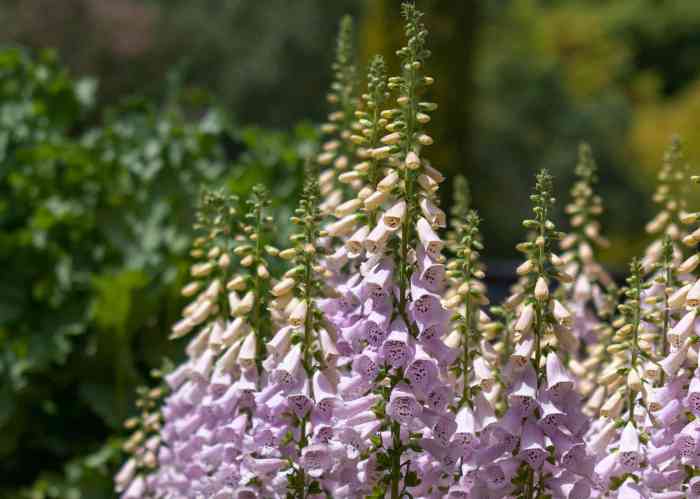
The flowers of tall foxglove are a key identifier. They are typically bell-shaped and come in shades of purple, pink, or white, arranged in a long, erect raceme. The flowers’ size can vary, but they usually cluster together to create a visually striking display. Each flower typically has five distinct lobes.
The stems of tall foxglove plants are typically stout, erect, and smooth. They can grow up to 5 feet or more in height, hence the name ‘tall’. The stems are often unbranched, and their texture is generally firm and slightly woody, becoming more so as the plant matures. Stems typically have a slightly hairy or smooth texture.
Distinguishing Tall Foxglove from Look-Alikes
Several plants share similar characteristics with tall foxglove, making accurate identification essential. Mistaking a non-toxic plant for foxglove could lead to serious consequences.
| Characteristic | Tall Toxic Foxglove | Non-Toxic Look-Alike |
|---|---|---|
| Leaf Shape | Lanceolate, ovate, or oblong | Similar shapes, but often broader or with a different texture |
| Flower Color | Purple, pink, or white | Various colors, potentially including shades similar to foxglove, but often with different flower shapes or arrangement |
| Stem Texture | Stout, erect, smooth | Potentially similar in height, but stem texture could be different, such as more flexible or ridged |
| Height | Up to 5 feet or more | Can vary depending on species, but generally smaller than tall foxglove |
Identification Flow Chart
This flow chart will guide you through the process of identifying tall toxic foxglove plants:
- Observe the plant’s height. Is it over 3 feet tall?
- If yes, examine the leaves. Are they lanceolate, ovate, or oblong?
- If yes, examine the flower color. Is it a shade of purple, pink, or white? Are the flowers bell-shaped?
- If yes to all, carefully examine the stem texture. Is it stout, erect, and smooth?
- If yes, the plant is likely a tall toxic foxglove. Avoid touching or handling it, and take appropriate precautions if necessary.
- If no to any of these questions, the plant is likely not a tall toxic foxglove.
Understanding the Toxicity of Tall Foxglove Plants

Tall foxglove plants, though beautiful, harbor potent toxins that can be dangerous if ingested or even touched. Understanding the nature of these toxins and their effects on human health is crucial for recognizing and preventing potential harm. Knowing the symptoms of exposure is vital for seeking timely medical attention.The toxins in foxglove plants primarily affect the heart and nervous system.
These compounds, specifically cardiac glycosides, interfere with the normal functioning of these vital systems. The severity of the effects depends on the amount of foxglove consumed and the individual’s overall health. This section will delve into the specifics of these toxins, their impacts on the human body, and the symptoms to watch out for.
Specific Toxins Found in Tall Foxglove Plants, Tall toxic foxglove plants
Foxglove contains a complex mix of cardiac glycosides, the primary toxic compounds. These glycosides, including digoxin and digitoxin, act on the heart muscle, altering its rhythm and strength of contraction. These compounds are powerful, and even small amounts can cause significant health issues.
Effects of Toxins on Human Health
The cardiac glycosides in foxglove disrupt the normal electrical signals within the heart, leading to potentially fatal arrhythmias. The toxins also affect the kidneys and other organs, although the heart is the primary target. Symptoms can range from mild discomfort to severe, life-threatening conditions. The risk is higher for children and those with pre-existing heart conditions.
Symptoms of Exposure to Tall Foxglove Plant Toxins
Exposure to tall foxglove plants can trigger a variety of symptoms, ranging from mild to severe. Early symptoms often resemble those of a common illness, making recognition challenging. Prompt medical attention is critical in all cases.
Detailed Account of Symptoms
| Symptom | Severity | Potential Cause |
|---|---|---|
| Nausea and vomiting | Mild to moderate | Initial exposure to low doses of toxins. |
| Diarrhea | Mild to moderate | Gastrointestinal upset caused by the toxins. |
| Headache | Mild to moderate | Possible effect on the nervous system from the toxins. |
| Rapid or irregular heartbeat | Moderate to severe | Direct effect of the cardiac glycosides on the heart’s electrical system. |
| Vision changes (blurred or double vision) | Mild to moderate | Effect on the nervous system. |
| Weakness or fatigue | Mild to moderate | General body reaction to the toxins. |
| Loss of appetite | Mild to moderate | Possible side effect of the toxins. |
| Shortness of breath | Moderate to severe | Potential effect on the respiratory system. |
| Confusion or disorientation | Moderate to severe | Effect on the central nervous system. |
| Coma | Severe | Severe and prolonged exposure to the toxins. |
Potential Long-Term Effects of Exposure
While rare, prolonged or severe exposure to tall foxglove toxins can lead to permanent heart damage. This is particularly true in cases of chronic ingestion. Cases of heart failure or other cardiac problems are possible if not addressed promptly.
Precautions and Prevention
Tall foxglove plants, despite their beauty, pose a significant threat due to their potent cardiac glycosides. Understanding how to handle these plants safely is crucial to preventing accidental exposure and ensuring the well-being of yourself and others. Proper precautions and swift action in case of exposure are essential to mitigate potential harm.Safe handling practices are paramount when encountering these plants.
Their beauty shouldn’t overshadow the potential danger they present. Knowing how to approach them with caution, and what to do in case of an accident, is vital.
Safe Handling Practices
Proper handling minimizes the risk of accidental exposure. Wear gloves when handling the plant, as skin contact can cause irritation. Avoid touching your eyes or mouth after handling the plant, and thoroughly wash your hands with soap and water immediately afterward. Ensure proper ventilation when working with the plant, as the toxins can be released into the air.
Preventive Measures for Accidental Exposure
Preventative measures are essential to avoid accidental exposure. Keep tall foxglove plants out of reach of children and pets. Clearly mark the area where these plants are located with appropriate signage to warn others about the potential danger. Use caution when gardening or working in areas where these plants are present. If possible, avoid planting them in areas frequently used by children or pets.
Actions in Case of Accidental Ingestion or Skin Contact
Prompt action in case of accidental exposure is critical. If ingestion occurs, immediately contact a poison control center or your local emergency services. If skin contact happens, thoroughly wash the affected area with soap and water for at least 15 minutes. Seek immediate medical attention if symptoms develop. Note the amount and type of plant consumed, if applicable.
Disposal and Removal
Proper disposal and removal are essential to prevent the spread of the plant. Do not compost the plant material, as the toxins can persist and contaminate the soil. Bag the plant material securely and dispose of it in accordance with local regulations. Consider contacting local authorities or waste management services if unsure about the proper disposal methods.
Avoid burning the plant material, as this can release toxins into the air.
Those tall foxglove plants are seriously impressive, but incredibly toxic. Knowing how to handle delicate electrical connections is just as important as avoiding a potential poisoning, especially if you’re working with something like a model railway or a complex DIY project. Learning how to solder wires properly how to solder wires can help you avoid short circuits and ensure your creations last longer.
Ultimately, appreciating the beauty of these striking plants while prioritizing safety is key.
Table of Actions for Accidental Exposure
| Scenario | Action | Reason for Action |
|---|---|---|
| Accidental ingestion | Immediately contact a poison control center or emergency services. | Prompt medical attention is crucial to minimize the effects of the toxins. |
| Skin contact | Thoroughly wash the affected area with soap and water for at least 15 minutes. | Removing the toxin from the skin as quickly as possible can reduce absorption. |
| Accidental ingestion by pet | Contact a veterinarian immediately. | Veterinarians are trained to handle such cases and administer appropriate treatment. |
| Removing the plant | Wear gloves and appropriate protective gear. | Protecting yourself from contact with the toxins is crucial. |
| Plant disposal | Dispose of plant material securely in accordance with local regulations. | Prevent the spread of the plant and avoid contamination of soil or other materials. |
Environmental Impact and Control

Tall foxglove plants, while visually striking, can pose a significant threat to the surrounding ecosystem. Their invasive tendencies and potent toxins create a ripple effect that disrupts the natural balance of flora and fauna. Understanding their impact and implementing effective control measures is crucial for preserving biodiversity and maintaining healthy environments.Foxgloves, due to their rapid growth and prolific seed production, can quickly outcompete native plant species for resources like sunlight, water, and nutrients.
This competitive advantage can lead to a decline in the diversity of the local flora. Moreover, the toxins produced by these plants can negatively affect various animals, from grazing livestock to insects and pollinators. Their presence can significantly alter the delicate food web interactions within the ecosystem.
Impact on the Surrounding Ecosystem
The aggressive nature of tall foxglove plants can profoundly impact the biodiversity of a region. Their dense growth can create a monoculture, reducing the variety of plant life available to support diverse animal populations. The toxins present in foxglove plants can directly affect grazing animals, causing poisoning if ingested. Furthermore, their dense canopies can reduce the amount of sunlight reaching the forest floor, hindering the growth of shade-intolerant species.
The competition for resources can lead to a decline in the populations of native plant species, altering the overall ecological balance.
Methods for Controlling the Spread
Several methods can be employed to control the spread of tall foxglove plants, each with varying degrees of effectiveness and long-term implications. Choosing the appropriate method depends on the extent of the infestation and the specific environmental context.
- Manual Removal: This involves physically uprooting the plants, ensuring all parts, especially the roots, are removed to prevent regrowth. This method is effective for small infestations but can be time-consuming and labor-intensive, especially for large areas. Thorough removal is critical to prevent the plant from regenerating from root fragments.
- Herbicides: Chemical herbicides can be used to kill the plants. However, the choice of herbicide is crucial, as some can harm non-target species. Care must be taken to apply herbicides precisely and minimize environmental contamination. Post-application monitoring is essential to assess the impact on surrounding vegetation.
- Biological Control: Introducing natural enemies, such as insects or fungi, that specifically target foxgloves can be an effective long-term control strategy. However, introducing non-native species requires careful consideration of potential unintended consequences and the need for continuous monitoring.
Effectiveness of Control Methods
The effectiveness of different control methods for tall foxglove plants varies considerably depending on the specific circumstances. Factors such as the size of the infestation, the soil type, and the presence of other vegetation influence the success rate of each approach. Manual removal is generally most effective for smaller infestations in contained areas, while herbicides can be effective for larger infestations but require careful application to minimize environmental damage.
Biological control offers a more sustainable long-term solution, but it takes time to establish and may not be immediately effective.
Long-Term Impact of Control Measures
The long-term impact of control measures should be carefully evaluated. Manual removal, while effective for localized areas, may not be sustainable for large-scale infestations. Herbicides, if not applied responsibly, can have lasting impacts on soil health and surrounding ecosystems. Biological control, while potentially sustainable, requires careful planning and ongoing monitoring to ensure the introduced species do not harm non-target organisms.
Those towering foxglove plants are undeniably striking, but be warned – they’re incredibly toxic! Learning the basics of recessed lighting, like choosing the right fixtures and ensuring proper installation, is important for any home improvement project. Knowing about these tall, poisonous plants is crucial for keeping your family safe, especially when you’re considering the landscaping around your home.
You can learn more about the specifics of safe home improvement from the experts at the basics of recessed lighting. They’re a beautiful but dangerous addition to any garden, so proceed with caution.
Comparison of Control Methods
| Control Method | Effectiveness | Environmental Impact | Cost | Long-Term Sustainability |
|---|---|---|---|---|
| Manual Removal | High for small infestations | Low, if done meticulously | Moderate | Low, requires repeated efforts |
| Herbicides | High for larger infestations | Moderate to High, potential for runoff and damage to non-target species | Low to Moderate | Low, requires repeated applications |
| Biological Control | Moderate, takes time to establish | Low, if appropriate species are chosen | High initially, potentially lower long-term | High, once established |
Illustrative Examples of Tall Toxic Foxglove Plants
Tall foxglove plants, while visually stunning, harbor potent toxins. Understanding the characteristics of specific species is crucial for preventing accidental poisoning. This section delves into illustrative examples, providing detailed descriptions of prominent species, their toxicity levels, and geographic distributions, to highlight the dangers associated with these magnificent yet perilous plants.
Species Descriptions
Several species of foxglove, notably tall varieties, contain cardiac glycosides, compounds that can be highly toxic if ingested. These toxins affect the heart’s rhythm and can lead to serious health complications or even death. Knowing the distinctive features of these species is paramount for safe identification and avoidance.
Table of Illustrative Species
The table below summarizes key characteristics of select tall foxglove species. Note that toxicity levels can vary based on factors like specific cultivar and maturity stage, and proper identification is essential.
| Species | Average Height (ft) | Toxicity Level | Distinguishing Features | Geographic Distribution | Flowering Cycle | Growth Cycle |
|---|---|---|---|---|---|---|
| Digitalis purpurea (Common Foxglove) | 3-6 | High | Deep purple flowers in terminal racemes, lance-shaped leaves, biennial life cycle | Native to Europe, widely naturalized elsewhere in temperate regions | Summer, typically July-September | Germinates in spring, flowering in the following summer. Dies after seed production. |
| Digitalis grandiflora (Large-flowered Foxglove) | 4-8 | High | Larger, more showy flowers than common foxglove, typically in shades of purple and pink | Native to the Mediterranean region | Summer, generally June-August | Similar biennial life cycle to D. purpurea. |
| Digitalis lanata (Woolly Foxglove) | 2-5 | High | Leaves covered in fine hairs, giving them a woolly appearance. Flowers in shades of pink or purple | Native to the mountains of Europe and Western Asia | Late Spring to Early Summer, typically May-July | Similar biennial life cycle to D. purpurea. |
Detailed Description of Digitalis purpurea (Common Foxglove)
Digitalis purpurea, commonly known as common foxglove, is a striking biennial plant with a distinctive appearance. Its tall stem, reaching 3-6 feet in height, supports a cluster of numerous deep-purple flowers arranged in a terminal raceme. The flowers are tubular and pendulous, with a noticeable darker purple spot near the base of the corolla. The large, lance-shaped leaves, exhibiting a slightly serrated edge, emerge from the stem.
A notable feature is its biennial growth cycle, where it flowers in its second year before dying after seed production. It is crucial to note the high toxicity of all parts of this plant, particularly its leaves and seeds.
Visual Description of a Tall Toxic Foxglove Plant
Imagine a towering foxglove plant with numerous deep-purple flowers, gracefully drooping from the stem. The flowers are densely packed, creating a captivating display against a backdrop of large, lance-shaped leaves that emerge from the stem in an alternating pattern. The plant’s height and striking floral display make it visually arresting but highlight the importance of caution around this potentially dangerous plant.
Last Point
In conclusion, tall toxic foxglove plants, though visually stunning, pose a significant threat due to their potent toxins. Careful identification, understanding their toxicity, and adhering to safety precautions are paramount. By recognizing their characteristics, understanding the potential risks, and employing effective control measures, we can appreciate these plants’ beauty while safeguarding ourselves and our surroundings. Remember, knowledge is power, and awareness is crucial in mitigating the dangers associated with these captivating yet perilous plants.