


Why outdoor plant leaves turn yellow? This perplexing problem affects many gardeners, and understanding the causes is key to keeping your green beauties thriving. From watering woes to nutrient deficiencies, light issues, and even pests, a multitude of factors can contribute to this common problem. Let’s delve into the various reasons why your outdoor plants might be losing their vibrant green hue.
This comprehensive guide explores the most common causes of yellowing leaves in outdoor plants. We’ll cover everything from improper watering techniques and nutritional imbalances to the impact of light exposure and environmental factors. We’ll also discuss the role of pests and diseases, as well as issues related to potting mix and soil. Finally, we’ll touch upon the crucial aspect of transplant shock and how to mitigate its impact.
Watering Issues
Yellowing leaves on your beloved houseplants can often be traced back to watering problems. Proper watering is crucial for plant health, and understanding the nuances of overwatering and underwatering can make a significant difference in preventing this common issue. Ignoring these subtle signs can lead to significant plant stress and potentially irreversible damage. This section dives deep into the world of watering, exploring the various watering problems and their impact on your plants.Watering plants is a delicate balance, requiring careful attention to the plant’s specific needs.
Overwatering or underwatering can lead to a cascade of problems, including yellowing leaves, wilting, and even root rot. By understanding the subtle differences in symptoms and the ideal watering schedule, you can maintain a healthy, vibrant plant collection.
Overwatering
Overwatering is a common culprit behind yellowing leaves. Waterlogged soil prevents roots from absorbing oxygen, leading to root rot and nutrient deficiencies. This, in turn, hinders the plant’s ability to transport nutrients throughout the plant, resulting in yellowing, particularly in the lower leaves.
Underwatering
Underwatering, on the other hand, deprives the plant of the necessary moisture for its cellular processes. Without adequate water, the plant struggles to maintain its turgor pressure, causing leaves to wilt and turn yellow. This often begins with the older leaves, as they are the first to experience moisture stress.
Symptoms of Overwatering and Underwatering
| Plant type | Symptoms of Overwatering | Symptoms of Underwatering | Ideal Watering Frequency ||—|—|—|—|| African Violet | Leaves yellowing and wilting, mushy stems, and root rot. | Wilting leaves, brown tips, and dry soil. | Water thoroughly when the top inch of soil is dry. || Snake Plant | Yellowing leaves starting from the bottom, and soft, mushy stems.
| Leaves becoming limp and drooping, soil being dry to the touch. | Water when the soil is completely dry to the touch. || Spider Plant | Yellowing leaves, drooping, and stunted growth. | Dry, brittle leaves, brown edges, and soil that feels very dry. | Water thoroughly when the top inch of soil is dry.
|| Peace Lily | Yellowing leaves, wilting, and mushy stems. | Leaves turning brown and crispy, soil being dry to the touch. | Water thoroughly when the top inch of soil is dry. || ZZ Plant | Yellowing leaves, and mushy stems. | Leaves turning brown and crispy, soil being dry to the touch.
| Water when the top inch of soil is dry. |
Determining the Right Watering Schedule
Determining the ideal watering schedule requires considering several factors. The type of plant, the size of the pot, the amount of light it receives, and the humidity levels in your home all play a role. A good starting point is to check the moisture level of the soil. Stick your finger about an inch deep into the soil.
If the soil feels dry, it’s time to water. If it feels moist, wait a few days before watering again. A consistent schedule based on soil dryness is key. Gradually adjust your watering based on how quickly the soil dries.
Nutrient Deficiencies
Yellowing leaves, often a sign of distress, can stem from various factors. While watering issues are a common culprit, another significant cause is nutrient deficiencies. Plants, like humans, require specific nutrients for healthy growth and vibrant foliage. Understanding these needs is crucial for identifying and rectifying problems.
Essential Nutrients for Plant Health
Plants need a variety of essential nutrients to thrive. These nutrients play vital roles in various physiological processes, including photosynthesis, growth, and overall health. A deficiency in any of these essential elements can manifest in visible symptoms, primarily affecting the leaves. Correcting these deficiencies is vital to maintain a healthy and productive plant.
Nutrient Deficiencies Leading to Yellowing
Several nutrient deficiencies can cause yellowing leaves. Common culprits include nitrogen, potassium, magnesium, and iron. Understanding the role of each nutrient and the specific symptoms of their deficiency is crucial for diagnosis and treatment.
Nitrogen Deficiency Symptoms
Nitrogen is essential for chlorophyll production, the pigment that gives leaves their green color. A nitrogen deficiency results in a gradual yellowing of older leaves, starting from the lower parts of the plant. The leaves might also appear pale or light green before turning yellow completely. This is often seen in plants that are not receiving adequate fertilizer or are in soil lacking nitrogen.
Potassium Deficiency Symptoms
Potassium plays a crucial role in water regulation and disease resistance. Potassium deficiency often leads to marginal leaf scorching, which manifests as brown or dead spots along the leaf edges. Yellowing may also occur, spreading from the leaf margins towards the center.
Magnesium Deficiency Symptoms
Magnesium is critical for chlorophyll formation. Magnesium deficiency results in interveinal chlorosis, where the leaves turn yellow between the veins, while the veins remain green. This pattern is a key identifier of magnesium deficiency. The yellowing may appear in older leaves first and then progress to younger ones.
Yellowing leaves on outdoor plants can be a real head-scratcher. Nutrient deficiencies, overwatering, or even pests are common culprits. But sometimes, the problem is less about the plant itself and more about the surrounding soil drainage. Poor drainage can lead to waterlogged roots, which in turn starve the plant of oxygen. A French drain, for example, can be a lifesaver for plants struggling with poor drainage in their garden beds.
What is a French drain and how to install one can be a game changer for your outdoor plant health, ultimately preventing waterlogged soil, and keeping those leaves a healthy green. So, next time you see yellowing, consider the drainage situation!
Iron Deficiency Symptoms
Iron is vital for chlorophyll synthesis. Iron deficiency also manifests as interveinal chlorosis, similar to magnesium deficiency, but it can often be more pronounced, with the yellowing being more intense and the green veins appearing very dark.
Comparison of Nutrient Deficiencies
| Nutrient | Leaf Color Change | Overall Plant Appearance | Common Symptoms |
|---|---|---|---|
| Nitrogen | Pale yellowing, starting from lower leaves | Stunted growth, reduced vigor | Slow growth, weak stems |
| Potassium | Marginal scorching, yellowing spreading inward | Reduced disease resistance, wilting | Weak stems, premature leaf drop |
| Magnesium | Interveinal chlorosis (yellowing between veins) | Overall yellowing, reduced vigor | Poor flowering, fruiting |
| Iron | Interveinal chlorosis (yellowing between veins), more intense than Magnesium | Stunted growth, reduced vigor | Small leaves, reduced leaf size |
Plants Commonly Affected by Deficiencies
- Many flowering plants, such as roses and petunias, can be susceptible to nitrogen and potassium deficiencies if not properly fertilized.
- Vegetables like tomatoes and leafy greens like spinach and lettuce are prone to magnesium and potassium deficiencies, particularly if the soil is low in these nutrients.
- Many houseplants, such as ferns and philodendrons, can be affected by iron deficiency, especially in low-quality potting mixes or under specific lighting conditions.
Light Conditions
Proper light exposure is fundamental to a plant’s health and vigor. Just like humans need sunlight for vitamin D, plants require specific light conditions to thrive. Insufficient or excessive light can lead to various issues, including yellowing leaves, stunted growth, and overall decline in health. Understanding the nuances of light requirements for different plant species is crucial for successful gardening.Light, in the form of photons, provides the energy plants need for photosynthesis.
This process converts light energy into chemical energy, fueling the plant’s growth and development. Different plants have evolved to thrive in different light environments, reflecting their unique evolutionary adaptations. This necessitates careful consideration of light conditions when selecting and maintaining plants.
Effects of Insufficient Light
Insufficient light often manifests as pale, yellowish foliage. Plants struggling to obtain adequate light may exhibit a stretched, leggy growth habit. This is often seen in plants that are placed in areas with limited direct sunlight. The overall size of the plant might be smaller than expected, and the leaves may have a less vibrant color. For example, a houseplant placed in a dark corner of a room may exhibit pale yellow leaves and elongated stems.
Effects of Excessive Light
Conversely, excessive light can also lead to leaf yellowing. Overexposure to direct sunlight can scorch leaves, causing them to turn yellow or brown, especially on the portions directly exposed to the sun. Plants placed in areas with intense, prolonged direct sunlight may exhibit leaf damage or scorching, evidenced by the appearance of brown or dead spots on the leaves.
Outdoor plant leaves turning yellow can be a real head-scratcher, right? It’s often due to nutrient deficiencies or, sometimes, even underwatering or overwatering. But sometimes, it’s a bit more specific, like with certain varieties of evergreens like japanese yews and english yew bushes. japanese yews and english yew bushes can yellow if they’re not getting enough sunlight or if the soil isn’t properly draining.
Regardless of the cause, diagnosing the issue and addressing it promptly is key to keeping your outdoor plants looking their best.
This is often seen in plants that are placed in areas with strong afternoon sun or direct sunlight for prolonged periods.
Determining Appropriate Light Conditions
Determining the appropriate light conditions for a plant involves understanding its natural habitat. Researching the plant’s origin and its preferred light conditions will be beneficial. For instance, tropical plants, originating from dense forests, typically require filtered or indirect light. Desert plants, conversely, thrive in full sun. Observing the plant’s existing foliage can also provide clues.
Healthy leaves should exhibit a vibrant color and a firm texture.
Plant Light Requirements
| Plant Type | Light Requirement |
|---|---|
| Succulents | Full sun (6+ hours of direct sunlight daily) |
| Tropical Houseplants | Indirect light (bright, filtered light) |
| Vegetables (tomatoes, peppers) | Full sun (6+ hours of direct sunlight daily) |
| Ferns | Low to medium light (filtered light) |
| African Violets | Bright, indirect light (avoid direct sunlight) |
| Monsteras | Medium to high light (indirect sunlight) |
This table provides a general guideline. Always consult specific information about a particular plant species for more precise recommendations.
Environmental Factors

Environmental factors play a crucial role in a plant’s overall health and, consequently, its leaf appearance. Beyond the basics of watering and nutrients, external conditions like temperature swings, drafts, and humidity levels can significantly impact a plant’s ability to thrive, leading to visible symptoms like yellowing leaves. Understanding these environmental stressors is essential for successful plant care.
Temperature Fluctuations
Temperature fluctuations, particularly sudden drops or rises, can stress plants and hinder their ability to absorb nutrients effectively. Plants have specific temperature ranges within which they perform optimally. Excessively high temperatures can cause stomata (tiny pores on leaves) to close, reducing water intake and increasing the risk of dehydration. Conversely, sudden drops in temperature can shock the plant, disrupting metabolic processes and leading to nutrient imbalances.
Drafts
Drafts, caused by open windows, air conditioning vents, or other sources of air movement, can also harm plants. Constantly moving air can dehydrate the plant by accelerating transpiration (the process of water evaporation from leaves). The resulting water loss can lead to wilting and yellowing, particularly in delicate or young plants. These plants lack the structural support to withstand the constant disruption.
Frequent drafts also cause a fluctuation in temperature.
Humidity Levels
Humidity refers to the amount of water vapor in the air. Optimal humidity levels vary greatly depending on the plant species. Air that is too dry can lead to increased water loss through transpiration, resulting in yellowing, browning, and eventually, leaf drop. Conversely, extremely high humidity can create an environment conducive to fungal diseases, which can manifest as yellowing or spotting on leaves.
Different plants have evolved to thrive in different humidity levels, reflecting their natural habitat.
Comparison of Environmental Factors
| Environmental Factor | Impact on Plant Health | Impact on Leaf Yellowing | Ideal Range (Example) |
|---|---|---|---|
| Temperature | Sudden changes disrupt metabolic processes. High temperatures cause stomata closure. | Yellowing, wilting, leaf drop. | Specific to plant type, e.g., 65-75°F for many houseplants. |
| Drafts | Accelerated transpiration leads to dehydration. | Yellowing, wilting, leaf curling. | Maintain consistent air movement; avoid direct exposure to drafts. |
| Humidity | Too low: Increased water loss. Too high: Increased fungal risk. | Yellowing, browning, leaf drop. Spots or fungal growth. | Specific to plant type, e.g., tropical plants prefer higher humidity. |
Ideal Environmental Conditions for Different Plant Types
Different plant species have evolved to thrive in specific environmental conditions. Understanding the ideal environment for each plant type is essential for maintaining its health and preventing yellowing. Tropical plants, for example, require higher humidity and warmer temperatures, while desert plants are adapted to dry, arid conditions. Researching the specific needs of your plant species will help you create the most suitable environment for it.
A well-researched approach ensures the plant thrives in its new home. Plants from different habitats require varying environmental conditions to survive and grow, demonstrating the importance of tailored care.
Pests and Diseases: Why Outdoor Plant Leaves Turn Yellow
Yellowing leaves on your outdoor plants can often be a sign of trouble beyond simple watering or nutrient issues. Hidden enemies, in the form of pests and diseases, can wreak havoc on your plants, leading to a cascade of problems, including yellowing foliage. Understanding these culprits and how to combat them is crucial for healthy plant growth.
The Role of Pests and Diseases in Yellowing Leaves
Pests and diseases can compromise a plant’s ability to photosynthesize, absorb nutrients, and transport water effectively. This disruption in essential functions can manifest as yellowing leaves, often as a symptom of a larger problem. In some cases, yellowing may be a secondary symptom, following a more insidious attack that compromises the plant’s overall health.
Common Pests Causing Yellowing
Various pests can cause yellowing leaves, often by feeding on plant sap or obstructing essential processes. Identifying these pests is crucial for effective treatment.
- Spider mites: These tiny arachnids suck the sap from leaves, causing yellowing stippling or stippled areas that eventually turn into mottled yellow areas, often followed by leaf drop. Characteristic fine webbing is often observed on the underside of leaves.
- Aphids: Aphids are sap-sucking insects that cluster on stems and leaves, causing yellowing and curling. Infested areas may appear sticky or covered in honeydew, a sugary substance that can attract sooty mold.
Common Diseases Causing Yellowing
Plant diseases, often fungal or bacterial in nature, can disrupt vital plant functions, leading to yellowing leaves and other symptoms. Proper diagnosis is essential for effective treatment.
- Fungal Infections: Various fungal diseases can cause yellowing, browning, and leaf spots. Some fungal infections affect the entire plant, leading to widespread yellowing and wilting. Symptoms often include discolored or dead leaf tissue, along with a characteristic fuzzy or powdery growth on the affected areas. For example, powdery mildew often appears as a white coating on leaves.
- Root Rot: Root rot, typically caused by fungal pathogens, damages the root system, preventing proper water and nutrient absorption. Initial symptoms may include yellowing leaves, followed by wilting and eventual death. Affected plants may appear generally weak and unable to support their foliage.
Diagnosing and Treating Pests and Diseases
Careful observation is key to identifying the specific pest or disease affecting your plants. Inspecting the leaves, stems, and roots for physical signs, such as webbing, discoloration, or unusual growths, is essential.
Methods for Pest and Disease Control
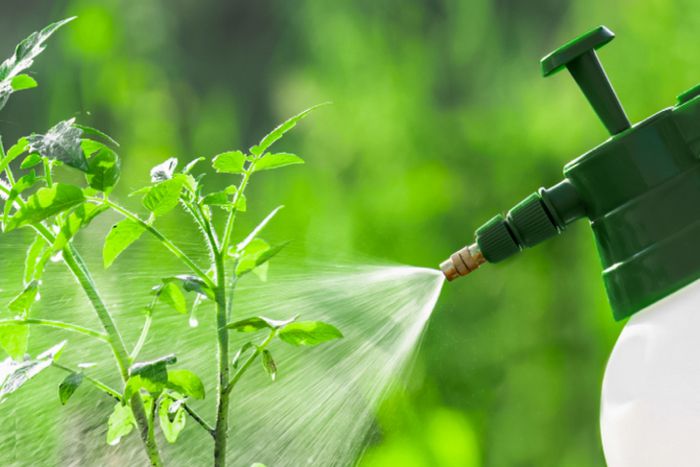
Once a diagnosis is made, appropriate treatment can be implemented. This may include insecticidal soaps, neem oil, or horticultural oils for pests, and fungicides for diseases. Proper sanitation, such as removing and disposing of infected plant material, can help prevent further spread. Preventive measures, such as proper spacing between plants and avoiding overhead watering, can help minimize the risk of infestations.
| Pest/Disease | Symptoms | Control Methods |
|---|---|---|
| Spider mites | Yellowing stippling, webbing on underside of leaves | Insecticidal soap, neem oil, horticultural oils |
| Aphids | Yellowing, curling leaves, sticky honeydew | Insecticidal soap, neem oil, horticultural oils, insecticidal sprays |
| Fungal Infections (e.g., powdery mildew) | Yellowing, browning, leaf spots, fuzzy/powdery growth | Fungicides, sanitation, proper spacing, avoid overhead watering |
| Root Rot | Yellowing, wilting, weak plants, damage to root system | Proper watering practices, adjusting soil drainage, fungicides, removing infected roots |
Potting Mix and Soil Issues
The soil and potting mix are the foundation of a healthy plant. Just like a house needs a strong foundation, a plant needs a suitable growing medium to thrive. A poor potting mix can lead to a cascade of problems, hindering root development, nutrient absorption, and ultimately, impacting leaf health. Understanding the nuances of soil and potting mixes is crucial for ensuring your plants receive the best possible support.
Importance of Proper Soil and Potting Mix
A well-draining, well-aerated, and nutrient-rich growing medium is essential for optimal plant health. Proper soil structure allows roots to breathe and absorb water and nutrients efficiently. A poor growing medium can lead to root rot, nutrient lockout, and other issues that negatively affect overall plant health and ultimately result in yellowing leaves.
Effects of Poor Drainage
Poor drainage is a common culprit behind yellowing leaves. Waterlogged soil deprives roots of oxygen, leading to root rot. This rot hinders nutrient absorption and water uptake, eventually causing the leaves to turn yellow and potentially die. Regularly checking the moisture level of the soil and ensuring adequate drainage is paramount to preventing these problems.
Effects of Compacted Soil
Compacted soil, lacking sufficient air pockets, restricts root growth and oxygen supply. Roots struggle to spread and absorb nutrients, leading to stunted growth and ultimately yellowing leaves. The soil’s density makes it difficult for water and air to circulate properly, creating an environment that favors the development of problems.
Effects of Unsuitable Soil pH, Why outdoor plant leaves turn yellow
The pH of the soil significantly impacts nutrient availability. If the pH is too high or too low, plants may not be able to absorb essential nutrients. This deficiency can lead to yellowing leaves, as well as other visible symptoms like stunted growth or leaf discoloration. Different plants have different pH preferences; understanding these preferences is vital for their health.
Different Soil Types and Suitability
Different soil types have varying properties, making them suitable for specific plant types. Sandy soils drain quickly, while clay soils retain water. Loamy soils offer a balance of both. Understanding the characteristics of each type is essential for selecting the right soil or potting mix for your plants. For example, succulents thrive in well-draining sandy soil, while ferns prefer consistently moist loamy soil.
Diagnosing Poor Soil Conditions
Visual inspection and simple tests can diagnose poor soil conditions. Examine the soil for compaction, drainage, and pH. Use a pH testing kit to determine the soil’s acidity or alkalinity. Conduct a drainage test by filling a pot with soil and observing how quickly the water drains. These simple checks can help you pinpoint the root cause of yellowing leaves and other plant issues.
Correcting Poor Soil Conditions
Correcting poor soil conditions involves amending the existing soil or potting mix. For poor drainage, incorporate perlite, vermiculite, or other amendments to improve aeration and drainage. For compacted soil, loosen the soil by digging and adding organic matter like compost or peat moss. Adjusting soil pH involves using soil amendments like sulfur (to lower pH) or lime (to raise pH).
These modifications will improve soil structure and ensure optimal plant health.
Outdoor plant leaves turning yellow is often a sign of stress, and a lack of humidity is a common culprit. Think about where to place a humidifier in your home during the winter months to combat dry air – where to put a humidifier in winter is a great resource for tips. While you’re adjusting the humidity, remember that other factors like improper watering or insufficient sunlight can also contribute to the yellowing problem.
Transplant Shock
Often overlooked, transplant shock can significantly impact a plant’s recovery and growth after relocation. This stress response can manifest in various ways, impacting the plant’s overall health and aesthetic appeal. Understanding the factors that contribute to transplant shock, its symptoms, and how to mitigate it can help ensure successful plant relocation.
Impact on Plant Health
Transplant shock is a physiological response to a significant environmental change. When a plant is moved from its current environment to a new one, it experiences stress related to factors like root disturbance, change in soil composition, light intensity, and moisture levels. This stress can impede the plant’s ability to absorb nutrients, carry out photosynthesis, and maintain overall health.
The severity of the shock depends on the plant species, the size of the plant, and the abruptness of the relocation. For instance, a large, established tree might take longer to recover from transplant shock compared to a small seedling.
Effects of Improper Transplanting Techniques
Improper transplanting techniques exacerbate the stress on a plant, increasing the likelihood of transplant shock. Rough handling during the process, especially when dealing with delicate root systems, can damage or sever roots. This damage disrupts the plant’s ability to absorb water and nutrients, leading to wilting and yellowing leaves. Furthermore, a mismatch between the plant’s size and the size of its new container or planting area can also contribute to transplant shock.
A plant that is too large for its container will experience root confinement, inhibiting growth and increasing the stress response.
Symptoms of Transplant Shock
Yellowing leaves are a common symptom of transplant shock, often accompanied by wilting or a general lack of vigor. Other noticeable symptoms include reduced leaf size, slowed growth rate, and a general decline in the plant’s overall health. The yellowing might be noticeable across the entire leaf or appear as a discoloration along the edges or veins. In some cases, leaf drop is also a prominent indicator.
For example, a once vibrant, healthy plant might exhibit droopy leaves with yellowing and reduced overall size after being transplanted into a less suitable environment.
Minimizing Transplant Shock
Careful preparation and execution of the transplanting process can significantly minimize the likelihood of transplant shock. It’s crucial to handle the plant gently, avoiding damage to the roots. Soaking the roots before transplanting can help rehydrate them and reduce the stress of a dry environment. Additionally, maintaining consistent watering and light conditions after transplanting is vital for the plant’s recovery.
Avoid overwatering, which can lead to root rot.
Best Practices for Transplanting
Proper soil preparation plays a key role in successful transplanting. Ensure the new soil is well-draining and rich in nutrients to support the plant’s recovery. The soil pH should be suitable for the specific plant species. Watering is essential for rehydration after transplanting. Water deeply and regularly, but avoid overwatering, which can lead to root rot.
Finally, adjust light conditions gradually to prevent sudden changes in light intensity, which can stress the plant. For instance, moving a plant from a shady location to full sun too quickly could lead to leaf damage.
Conclusive Thoughts
In conclusion, yellowing leaves on outdoor plants often stem from a combination of factors, highlighting the importance of a holistic approach to plant care. By understanding the nuances of watering, nutrients, light, environment, pests, soil, and transplant shock, you can diagnose the problem and take corrective actions. Remember to pay attention to the specific symptoms and tailor your solutions to the needs of each plant type.
Armed with this knowledge, you’ll be well-equipped to keep your outdoor plants flourishing and vibrant.