




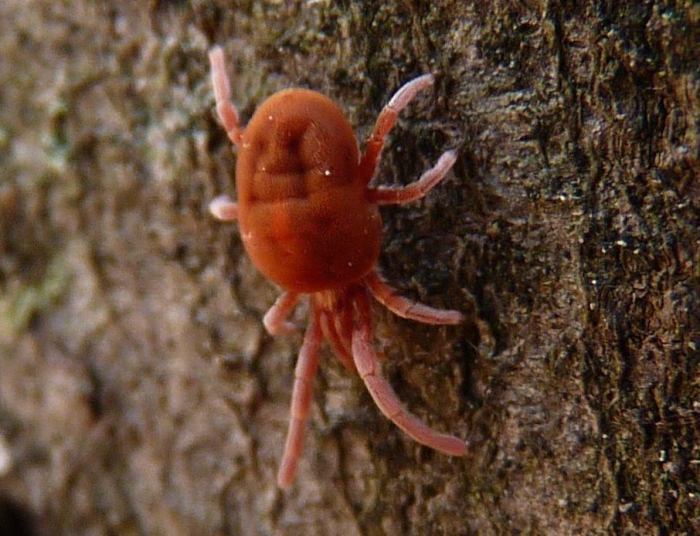
What are chiggers and how do I get rid of them? This guide dives deep into the world of these tiny pests, exploring their life cycle, how to identify their bites, and effective methods for prevention and treatment. We’ll cover everything from recognizing the telltale signs of an infestation to the best ways to keep your yard and yourself chigger-free.
Get ready to learn all about these irritating critters and how to vanquish them from your life!
Understanding chiggers starts with knowing their biology. These tiny arachnids, related to mites and ticks, have a complex life cycle that begins with a larval stage. They then molt into nymph and adult stages, all while feeding on the blood of mammals and birds. This feeding process can lead to intense itching and irritation, making it crucial to understand how to identify and treat chigger bites.
Introduction to Chiggers
Chiggers, often mistaken for tiny insects, are actually the larval stage of certain mites. These microscopic arachnids belong to the order Trombidiformes, a group characterized by their unique life cycle and parasitic feeding habits during their larval stage. Understanding their biology is crucial for effective prevention and management. They are not insects, but rather related to spiders and ticks.Chiggers undergo a complex life cycle.
They progress through distinct stages, from a tiny, six-legged larva to a mature eight-legged adult. This transformation involves molting and significant changes in morphology, adapting them to different feeding and environmental niches. The larval stage, often the stage that causes irritation, is the most noticeable part of their life cycle.Chiggers thrive in specific environments, preferring warm, humid conditions.
Areas with tall grasses, leaf litter, and decaying vegetation are prime habitats. Their distribution is often tied to specific climates, with a preference for warmer temperatures and high humidity. They are often found in wooded areas, meadows, and along the edges of bodies of water.
Chigger Species and Habitats
Chiggers, although often perceived as a single entity, encompass various species with differing habitat preferences and geographic distributions. Their specific needs and environmental tolerances influence their locations and prevalence.
| Chigger Species | Habitat Preferences | Geographic Distribution | Key Identification Features |
|---|---|---|---|
| Eutrombicula alfreddugesi | Moist, grassy areas, particularly near vegetation and leaf litter | Eastern and central United States | Larvae are reddish-brown, with a characteristically small size; adults are often difficult to distinguish from other mite species. |
| Eutrombicula autumnalis | Tall grasses, shrubs, and undergrowth in wooded areas | North America, Europe, and Asia | The larval stage is typically a reddish-brown color; adults are less conspicuous. |
| Eutrombicula splendens | Moist, overgrown areas, including meadows and gardens | Widely distributed globally | Larvae are typically a pale or light brown color; adults are small and difficult to identify without magnification. |
Identifying Chigger Bites: What Are Chiggers And How Do I Get Rid Of Them

Chigger bites can be tricky to spot, often resembling other skin irritations. Learning to recognize their unique characteristics is crucial for effective treatment and prevention. Knowing how they differ from other bites can save you time and potentially unnecessary worry.Identifying chigger bites relies on understanding their distinctive appearance and location on the body. Paying close attention to the symptoms they cause, and how they compare to other common insect bites, will help you determine if you’ve been bitten by a chigger.
Physical Characteristics of Chigger Bites
Chigger bites typically appear as small, itchy bumps, often appearing as tiny, reddish welts or blisters. The size of the initial lesion varies, but they’re usually less than a centimeter in diameter. They often occur in clusters, especially in areas of skin that are folded or have hair. The characteristic appearance is often described as a tiny, red, or sometimes brownish, raised spot.
The skin around the lesion might be inflamed and irritated.
Comparison to Other Insect Bites
Distinguishing chigger bites from other insect bites, like bed bug bites, mosquito bites, or flea bites, can be challenging. The symptoms and appearance can overlap, but key differences exist. Observing the location of the bites, their size, and the associated symptoms can provide crucial clues.
Symptoms of Chigger Bites, What are chiggers and how do i get rid of them
The most prominent symptom associated with chigger bites is intense itching. This itching can be persistent and lead to scratching, which can further irritate the skin and potentially cause secondary infections. Redness and inflammation often accompany the bite, particularly in the area surrounding the initial lesion. The irritation may range from mild discomfort to significant discomfort, depending on the individual’s sensitivity and the number of chiggers involved.
Those pesky chiggers! They’re tiny mites that love to burrow into your skin, causing itchy welts. To combat these critters, regularly cleaning your yard is key. Think about what you should be cleaning at least once a week, like clearing debris and keeping grass short, to help prevent chigger infestations. A quick sweep of leaves and a trim of overgrown bushes can make a big difference.
Then, you can focus on tackling those chiggers head-on. Following a consistent cleaning routine, like those listed in things you should clean at least once a week , will help keep your outdoor spaces chigger-free.
Comparing Chigger Bites to Other Bites
| Symptoms | Appearance | Location | Duration |
|---|---|---|---|
| Intense itching, redness, inflammation | Small, reddish, raised bumps, sometimes in clusters | Usually in areas of skin folds or hair, often on legs, ankles, and waist | Can last for several days to a week; itching may persist longer |
| Itching, small red bumps | Small, red, or slightly swollen welts | Typically clustered, often found on exposed skin, or areas where clothing rubs | Usually lasts for a few days; itching might diminish |
| Itching, small red bumps, sometimes blisters | Small, raised, red bumps, often with a central puncture mark | Often on exposed skin, or in areas where clothing rubs | Generally lasts for several days, itching may persist longer |
| Itching, small red bumps, often in a line | Small, red, raised bumps, sometimes a line of bumps | Commonly found on the legs and lower body | Usually lasts a few days, but the itching might persist longer |
This table highlights key differences between chigger bites and other common insect bites. Understanding these distinctions can guide appropriate treatment and prevent unnecessary confusion.
Preventing Chigger Bites
Chiggers, those tiny terrors, can ruin a pleasant outdoor experience. Knowing how to prevent encounters with these microscopic mites is crucial for enjoying the great outdoors without the itchy aftermath. Understanding their habitat and behavior is key to avoiding bites.Effective prevention involves a multi-pronged approach, focusing on minimizing contact with chigger-prone environments and employing appropriate protective measures. By following these strategies, you can significantly reduce your risk of being bitten.
Environmental Avoidance
Chiggers thrive in grassy, brushy, and wooded areas. Avoiding these habitats whenever possible is a primary preventative measure. If you must enter such areas, be aware that chiggers are more prevalent in tall grass and vegetation. Consider hiking trails with well-maintained paths, as these areas tend to have less dense vegetation and reduced chigger populations. Also, be mindful of the time of day.
Chiggers are more active during warmer months and humid conditions.
Protective Clothing and Measures
Proper clothing is a crucial component of chigger prevention. Wear long sleeves and pants, tucking pants into socks or boots. This creates a barrier between your skin and the chiggers. Light-colored clothing can help you spot chiggers more easily before they have a chance to bite. Treat clothing with permethrin, a repellent that effectively deters chiggers.
Permethrin should be applied directly to clothing, not skin. This is an important preventative measure.
Post-Outdoor Activity Inspection
Regularly inspecting your clothing and gear after outdoor activities is vital. Chiggers can easily attach to clothing and skin, so prompt removal can prevent bites. Shake out clothing, particularly pants and socks, before bringing them inside. Inspect your skin thoroughly, paying close attention to areas such as ankles, wrists, and the backs of knees.
Personal Protective Equipment (PPE)
In certain high-risk situations, like extensive time in dense vegetation or areas with known high chigger populations, the use of personal protective equipment (PPE) may be recommended. This may include long-sleeved shirts, long pants, and socks worn over boots, as well as treated clothing. Additionally, consider using insect repellent containing DEET or picaridin. Always follow product instructions carefully.
Preventative Measures
- Avoid walking through tall grass and brushy areas, especially during peak chigger activity times.
- Wear long sleeves, long pants, and socks pulled over boots. Treat clothing with permethrin.
- Inspect clothing and gear thoroughly after outdoor activities.
- Use insect repellent containing DEET or picaridin, if necessary.
- Shower or bathe as soon as possible after returning from outdoor activities to remove any clinging chiggers.
Treating Chigger Bites
Chigger bites, while often irritating, rarely pose a serious health risk. Prompt and appropriate treatment can significantly reduce discomfort and prevent secondary infections. Understanding the best approaches to managing these bites is crucial for a speedy recovery.Effective treatment for chigger bites focuses on relieving itching, preventing infection, and promoting healing. Careful attention to cleaning and the application of suitable medications or home remedies is essential.
Cleaning the Affected Area
Proper cleaning is the first step in treating chigger bites. This prevents the entry of bacteria and promotes healing. Thoroughly wash the affected area with mild soap and water. Use a clean washcloth or cotton ball to gently clean around the bite, avoiding scrubbing vigorously, which can irritate the skin further. Pat the area dry with a clean towel.
This simple step helps prevent infection and sets the stage for subsequent treatment.
Chiggers are tiny, irritating pests that can cause itchy welts. Getting rid of them often involves using a good quality insect repellent, like the ones you can find at your local hardware store. Speaking of things that are yellow and delightful, have you seen the gorgeous Drew Barrymore Butter Yellow colorway? drew barrymore butter yellow colorway It’s such a cheerful hue.
Back to the chiggers, though – vacuuming frequently and keeping your yard clear of debris can also help prevent them from infesting your space.
Applying Medications and Treatments
A variety of topical medications and home remedies can provide relief from itching and discomfort. These options offer various approaches to managing the irritation associated with chigger bites.
Topical Treatments
Over-the-counter topical creams and lotions containing hydrocortisone or calamine can effectively soothe itching and inflammation. These medications help reduce the redness and swelling often associated with chigger bites. Follow the product instructions carefully for application.
Home Remedies
Numerous home remedies can offer soothing relief from chigger bites. These remedies often utilize readily available ingredients and are generally safe for most individuals.
- Cold Compresses: Applying a cool, damp cloth or ice pack wrapped in a clean cloth to the affected area can help reduce swelling and itching. Hold the compress for 10-15 minutes at a time, repeating as needed.
- Calamine Lotion: This over-the-counter lotion contains zinc oxide, which helps to dry the skin and reduce itching. Apply a thin layer to the affected area as needed.
- Oatmeal Baths: Soaking in a bath containing colloidal oatmeal can soothe inflamed skin and reduce itching. Add a cup of colloidal oatmeal to a warm bath and soak for 15-20 minutes.
Comparing Treatment Methods
The following table provides a comparison of various treatment methods for chigger bites, highlighting their effectiveness, potential side effects, and application instructions.
| Treatment Method | Effectiveness | Side Effects | Application |
|---|---|---|---|
| Cold Compresses | Good for reducing swelling and itching | Minor discomfort | Apply for 10-15 minutes, repeat as needed |
| Calamine Lotion | Effective in soothing itching | May cause dryness in some individuals | Apply a thin layer to the affected area |
| Hydrocortisone Cream | Very effective in reducing inflammation and itching | Potential for skin thinning with prolonged use | Follow product instructions |
| Oatmeal Baths | Soothing and can reduce itching | May cause skin irritation in some individuals | Add colloidal oatmeal to a warm bath and soak for 15-20 minutes |
Eliminating Chiggers from the Environment
Chiggers, those tiny pests, can wreak havoc on your outdoor enjoyment. Beyond just the itchy bites, controlling their populations in your yard and garden is crucial for a comfortable and pest-free environment. Effective strategies involve a multifaceted approach, combining preventative measures with targeted interventions.Understanding the life cycle and habits of chiggers is essential to effectively eliminate them. Chiggers thrive in moist, shady areas with dense vegetation.
This makes controlling their presence a combination of environmental modification and targeted treatment.
Pesticide Use for Chigger Control
Chemical pesticides can be effective in reducing chigger populations, but their use should be approached cautiously. These products can significantly impact the environment and pose risks to human health if not used correctly. Always follow the manufacturer’s instructions carefully and take appropriate safety precautions. Using a registered pesticide for chigger control can be necessary in some situations, but consider alternative methods first.
Environmentally Friendly Chigger Control
Maintaining a clean and well-maintained yard is often the most effective and environmentally friendly approach to reducing chigger populations. Consistent yard care is a proactive measure. Removing debris, such as leaves, twigs, and grass clippings, helps eliminate the damp, shaded areas chiggers favor. Controlling vegetation, especially tall grasses and weeds, reduces hiding places and food sources.
Organic Methods for Chigger Reduction
A variety of organic methods can help maintain a chigger-free environment. These include keeping your lawn mowed at a reasonable height to prevent excessive moisture and dense growth. Proper watering techniques are essential; avoid overwatering, which can create ideal conditions for chiggers to flourish. Regularly cleaning up debris and fallen leaves is crucial.
Those pesky chiggers! They’re tiny mites that love to burrow into your skin, causing intense itching. Getting rid of them often involves a combination of preventative measures and targeted treatments. Sometimes, a cluttered space, like a messy bedroom, can actually harbor more chiggers, as noted by professional organizers in their insightful analysis of the connection between disorder and pest infestations.
For more on what professional organizers notice in messy bedrooms, check out this article: things organizers notice in messy bedroom. Keeping your living space clean and free of debris is a great way to limit the potential breeding grounds for these critters, helping to keep you itch-free.
Comparison of Chigger Control Methods
| Control method | Effectiveness | Environmental impact | Safety precautions |
|---|---|---|---|
| Pesticide application | Potentially high, but depends on product and application | High potential for negative impact on beneficial insects and other wildlife. Runoff can pollute water sources. | Always wear protective gear (gloves, mask, eye protection). Follow label instructions carefully. |
| Yard maintenance (mowing, debris removal) | Moderate to high, depending on consistency | Low to moderate, depending on the scale of work | Use appropriate tools and equipment for safety. |
| Biological controls (e.g., beneficial nematodes) | Moderate to high, depending on specific application | Low, as it uses naturally occurring organisms | Follow product instructions for safe application. |
When to Seek Medical Attention
Chigger bites, while often irritating, usually resolve on their own within a week or two. However, certain situations warrant immediate medical attention. Understanding the signs and symptoms that signal a need for professional care is crucial for ensuring prompt and appropriate treatment. This section will detail when and why you should seek medical intervention for chigger bites.
Signs of Serious Infection
Chigger bites themselves rarely cause serious health problems. However, secondary infections or complications can arise. These secondary issues may involve bacterial infections, allergic reactions, or other complications. A prompt evaluation by a medical professional can help determine if the bite has progressed beyond a simple skin irritation.
Symptoms Requiring Immediate Medical Attention
Certain symptoms indicate that the chigger bite has developed into a more serious condition that requires medical intervention. These symptoms include persistent fever, swelling that extends beyond the bite area, increasing pain, pus or drainage from the bite, or signs of an allergic reaction such as difficulty breathing, hives, or significant swelling of the face or throat. It is important to remember that these symptoms are not always immediately apparent and may develop gradually.
Medical Professionals to Consult
For chigger bite complications, a primary care physician is typically the first point of contact. If the situation is more severe or involves suspected complications, a dermatologist or allergist may be consulted. The specific medical professional to consult will depend on the severity of the symptoms and the nature of the suspected complications. In cases of severe allergic reactions or suspected infections, emergency medical services should be contacted immediately.
When to See a Doctor: A Table of Situations
| Symptoms | Severity | Duration | Action |
|---|---|---|---|
| Persistent fever (above 101°F/38.3°C), intense localized pain, redness, swelling that spreads beyond the bite site, pus or drainage | Moderate to Severe | More than 2 days | See a primary care physician immediately. |
| Difficulty breathing, hives, significant swelling of the face or throat, rapid pulse | Severe | Any duration | Call emergency services immediately or go to the nearest emergency room. |
| Bite site that shows signs of skin breakdown, open sores, or significant tissue damage | Severe | More than 3 days | See a primary care physician or dermatologist. |
| Severe itching that interferes with sleep or daily activities, despite home remedies | Moderate | More than a week | Consult a primary care physician or dermatologist. |
Conclusion

In conclusion, dealing with chiggers requires a multi-faceted approach. Prevention is key, with proper protective measures and environmental control. Identifying chigger bites early allows for prompt and effective treatment, avoiding potential complications. Knowing when to seek medical attention is equally important. By following the advice in this guide, you can significantly reduce your risk of encountering these pesky creatures and enjoy a chigger-free outdoor experience.
Now you are armed with the knowledge to tackle these tiny terrors.