



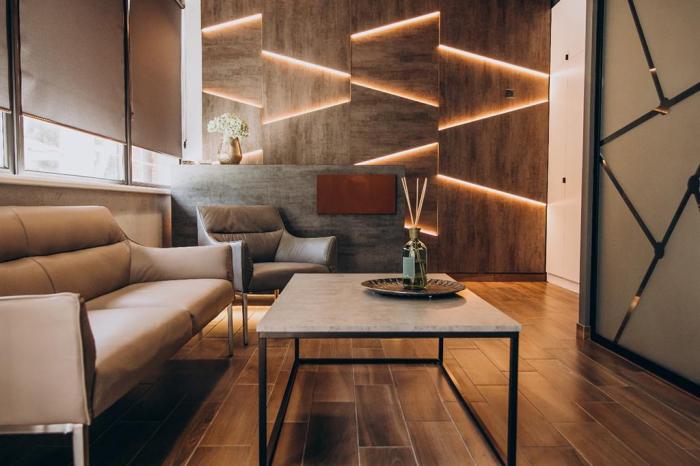
Lighting mistakes to avoid sets the stage for a deep dive into the world of illumination. From the cozy ambiance of your living room to the bustling energy of a retail store, proper lighting significantly impacts our mood, health, and even safety. This comprehensive guide explores common lighting errors in residential and commercial spaces, delving into their impact and offering practical solutions.
We’ll cover everything from energy efficiency to accessibility considerations, highlighting the importance of choosing the right lighting for every environment.
Whether you’re a homeowner looking to enhance your living spaces or a business owner aiming to optimize customer experience, understanding these common lighting mistakes is crucial. This guide will arm you with the knowledge to make informed decisions, maximizing the effectiveness and beauty of your lighting installations.
Common Lighting Mistakes in Residential Spaces
Lighting plays a crucial role in shaping the atmosphere and functionality of a home. Proper lighting design can transform a space, enhancing its beauty and practicality. Conversely, inadequate or poorly placed lighting can create a negative and even uncomfortable environment. Understanding common lighting pitfalls in different rooms is essential for creating well-lit and inviting homes.
Living Room Lighting Mistakes
Poor lighting in living rooms often results in uneven illumination and an overall lack of ambiance. Homeowners frequently make these common errors:
- Insufficient general lighting: A single overhead fixture might not provide adequate illumination for a large living room, resulting in shadowy areas and a lack of overall brightness. This can make the room feel cramped and less inviting. For example, a living room with a large seating area and a fireplace might require multiple light sources for optimal illumination.
- Inadequate task lighting: If you need to read or work on a specific area in the living room, inadequate task lighting can lead to eye strain and discomfort. A floor lamp with adjustable lighting or a desk lamp placed strategically can improve the focus and clarity of the area.
- Ignoring ambient lighting: Ambient lighting, like table lamps or wall sconces, adds depth and warmth to the room. Without them, the living room might feel stark and sterile. A combination of warm-toned ambient lighting with brighter task lighting creates a well-rounded atmosphere.
- Incorrect color temperature: Using cool-toned bulbs in a living room can create a sterile or clinical atmosphere. Warm-toned bulbs are preferred to create a cozy and inviting environment.
- Poor placement of fixtures: Light fixtures that are too high or too low can cast harsh shadows or create glare. Proper placement of fixtures, considering the room’s dimensions and furniture arrangement, is vital for effective illumination.
Bedroom Lighting Mistakes
Bedrooms are spaces for rest and relaxation. Lighting mistakes can negatively impact sleep quality and mood:
- Overly bright overhead lighting: A harsh overhead light in a bedroom can disrupt sleep patterns and make it difficult to relax before bed. Instead, opt for softer, dimmer lighting solutions, like bedside lamps or strategically placed wall sconces.
- Lack of task lighting: If you need to read or use a bedside table, inadequate task lighting can strain your eyes and create an uncomfortable environment. Using a bedside lamp with adjustable brightness or a small reading lamp is a practical solution.
- Incorrect color temperature: Cool-toned lighting can make it harder to fall asleep. Warm-toned bulbs are more conducive to relaxation and better sleep quality. This is because warm light signals to the body that it is time to wind down.
Kitchen Lighting Mistakes
Kitchen lighting is crucial for food preparation and dining experiences:
- Insufficient task lighting: Poor task lighting can lead to accidents and make food preparation difficult. Spotlights or under-cabinet lighting are ideal for illuminating work surfaces.
- Lack of general lighting: Adequate general lighting is needed for the entire kitchen. A combination of general and task lighting is essential for a practical and comfortable kitchen.
- Poor placement of fixtures: Fixtures placed incorrectly can create glare or shadows, making it difficult to see what you are doing. Careful consideration of the layout and placement of fixtures is crucial.
- Inadequate accent lighting: Accent lighting is necessary to highlight specific features of the kitchen, such as cabinetry or countertops. This creates a more attractive and appealing aesthetic.
Bathroom Lighting Mistakes
Bathroom lighting needs to balance functionality and aesthetics:
- Insufficient lighting: Poor lighting in a bathroom can make it difficult to apply makeup or shave. Adequate lighting is necessary for all bathroom activities.
- Incorrect color temperature: Using cool-toned lighting in a bathroom can create a sterile or clinical atmosphere. Warm-toned lighting creates a more inviting and relaxing atmosphere.
- Ignoring vanity lighting: Poor vanity lighting can lead to uneven illumination and make it difficult to apply makeup or see yourself clearly. Using strategically placed vanity lights or a combination of ambient and task lighting is recommended.
Comparison of Lighting Errors Across Room Types
| Room Type | Mistake | Impact | Solutions |
|---|---|---|---|
| Living Room | Insufficient general lighting | Uneven illumination, lack of ambiance | Multiple light sources, strategically placed fixtures |
| Bedroom | Overly bright overhead lighting | Disrupts sleep patterns | Soft, dimmer lighting, bedside lamps |
| Kitchen | Insufficient task lighting | Difficulty in food preparation | Under-cabinet lighting, spotlights |
| Bathroom | Insufficient lighting | Difficult to perform tasks | Multiple light sources, vanity lighting |
Impact of Lighting on Mood and Health

Lighting isn’t just about visibility; it significantly influences our mood, sleep patterns, and overall well-being. The type of light, its intensity, and its color temperature all play a role in shaping our feelings and affecting our health. Understanding these effects allows us to create spaces that promote relaxation, productivity, and a sense of well-being.Different lighting types and their associated color temperatures impact our physiological and emotional responses in diverse ways.
By carefully considering the light in our homes, we can create environments that support our health and happiness. This understanding allows us to move beyond simply illuminating a space and into designing spaces that actively enhance our well-being.
Impact of Lighting Types on Mood
The type of light fixture used has a considerable effect on our mood. Incandescent bulbs, for example, emit a warm, yellowish light, often associated with feelings of coziness and relaxation. LED lights, on the other hand, offer a broader spectrum of color temperatures, allowing for a wider range of moods to be evoked. The choice of light source influences the ambiance of a room and its impact on our emotional state.
Avoiding harsh overhead lighting is key for a cozy atmosphere. Thinking about home upgrades based on your tax refund? Home upgrades based on your tax refund could be a great way to invest in some beautiful, ambient lighting solutions that create the right mood. Don’t forget, strategically placed lamps and warm-toned bulbs can make a huge difference in how your space feels!
Effect of Color Temperature on Mood
Warm color temperatures, typically in the 2700K-3000K range, evoke feelings of warmth, comfort, and relaxation. These tones are often found in incandescent bulbs and some LED options. They are ideal for bedrooms and living rooms, encouraging a sense of calm and tranquility. Conversely, cool color temperatures, generally above 4000K, promote alertness and focus. These tones are more commonly found in LED lights and are often used in offices and kitchens to enhance productivity and energy.
Impact of Inadequate Lighting on Sleep
Insufficient or poorly designed lighting can disrupt our natural sleep-wake cycles. Melatonin production, crucial for regulating sleep, is sensitive to light exposure. Exposure to bright light in the evening can suppress melatonin production, making it harder to fall asleep. Conversely, exposure to soft, warm light in the evening can promote relaxation and a natural sleep cycle. Creating a consistent lighting schedule that mimics natural daylight can significantly improve sleep quality.
Importance of Sufficient Task Lighting
Adequate lighting is essential for performing tasks such as reading or working. Poor lighting can lead to eye strain, headaches, and reduced productivity. Sufficient task lighting should be focused on the specific task area, providing clear visibility without harsh glare. A well-lit workspace or reading nook enhances concentration and reduces the risk of eye fatigue.
Color Temperature Impact Table
| Color Temperature (K) | Light Type | Physiological Impact | Emotional Response |
|---|---|---|---|
| 2700K – 3000K | Incandescent, some LEDs | Promotes relaxation, warmth | Comfort, coziness, tranquility |
| 3000K – 4000K | LEDs, some CFLs | Balanced, promotes alertness and focus | Calm, productivity, concentration |
| 4000K – 5000K | LEDs, fluorescent | Enhances alertness, stimulates activity | Energy, focus, alertness |
| 5000K+ | LEDs, daylight bulbs | High stimulation, promotes activity | Energy, focus, potential for agitation |
Lighting Mistakes in Commercial Settings
Lighting is crucial in commercial spaces, impacting not only the aesthetics but also the customer experience, productivity, and ultimately, profitability. Poor lighting choices can lead to a negative perception of the brand, decreased sales, and lower employee morale. Understanding common lighting mistakes in various commercial settings is vital for optimizing these spaces and maximizing their potential.
Lighting Errors in Retail Stores
Retail environments rely heavily on lighting to attract customers and showcase products effectively. Incorrect lighting can lead to a poor shopping experience and ultimately, reduced sales. Poorly designed lighting can obscure product details, creating confusion for customers and discouraging purchases. Unattractive lighting can deter customers from entering or lingering in the store, significantly impacting sales.
- Inconsistent Lighting Levels: Using different light levels throughout the store can make it feel uneven and disorienting. This can make it harder for customers to find what they’re looking for, reducing their overall shopping experience. For example, a dimly lit entrance followed by harshly bright displays can create a jarring transition.
- Poor Color Rendering: Incorrect color temperature or color rendering index (CRI) can make products appear less appealing or even change their perceived color. This is particularly critical for clothing stores, where accurate color representation is essential. For example, a dress that appears a vibrant red under natural light might look dull or muted under the wrong lighting.
- Insufficient Task Lighting: Lack of proper task lighting near fitting rooms or checkout counters can cause frustration and inconvenience for customers. This is especially true in stores with high foot traffic.
- Ignoring Ambient Lighting: Underestimating the role of ambient lighting in creating a welcoming atmosphere can lead to a store feeling cold or sterile. This is a common mistake that can negatively affect customer perception.
- Ignoring the Impact of Accent Lighting: Incorrectly using accent lighting can create hot spots or shadows that draw attention to flaws in products or displays. Overusing accent lighting can also distract from the overall store atmosphere.
Lighting Mistakes in Offices, Lighting mistakes to avoid
Office lighting significantly impacts employee productivity and morale. Poor lighting choices can lead to eye strain, headaches, and reduced concentration, negatively impacting work performance. Inappropriate lighting can also contribute to a sense of discomfort and a less-than-positive work environment.
- Inadequate Task Lighting: Insufficient task lighting can lead to eye strain and fatigue among employees, impacting their focus and productivity. This is particularly crucial for employees who spend extended periods working on computers or reviewing documents.
- Ignoring Natural Light: Ignoring the potential of natural light can lead to an uncomfortable and less productive work environment. Lack of natural light can cause employees to feel isolated and less engaged.
- Poorly Designed Overhead Lighting: Overly bright or poorly distributed overhead lighting can create glare, leading to eye strain and discomfort. The harsh glare from improperly placed fixtures can disrupt focus and increase employee stress.
Lighting Mistakes in Restaurants
Restaurant lighting significantly impacts the dining experience. Inappropriate lighting can affect the ambiance, impacting customer satisfaction and potentially reducing revenue.
- Overly Bright Lighting: Overly bright lighting can make a restaurant feel sterile and uninviting, deterring customers from lingering. Bright lighting can also wash out food colors and textures, making them less appealing.
- Underestimating the Role of Mood Lighting: Ignoring the importance of mood lighting can result in a restaurant lacking atmosphere. A lack of mood lighting can make the space feel impersonal and less appealing.
- Poorly Positioned Lighting Fixtures: Poorly placed fixtures can create harsh shadows, hindering the overall aesthetic of the dining space. This can also lead to uncomfortable glare.
- Neglecting Warmth and Coziness: A lack of warmth and coziness can cause a restaurant to feel cold and impersonal. This lack of warmth can negatively affect the overall experience for customers.
Lighting Mistakes in Hospitality Settings
Hospitality settings, such as hotels and resorts, need lighting that fosters a welcoming and comfortable atmosphere. Poor lighting choices can negatively impact guest satisfaction and brand image.
- Inconsistent Lighting Throughout the Space: Inconsistent lighting levels can disrupt the flow and ambiance of the space. This lack of continuity can make the space feel less cohesive.
- Ignoring the Impact of Lighting on Guest Rooms: Poorly designed lighting in guest rooms can negatively affect sleep quality and overall comfort. This can lead to dissatisfied guests.
- Overlooking the Importance of Exterior Lighting: Exterior lighting that is poorly designed can detract from the property’s appeal. This can also impact safety and security.
Comparison of Lighting Mistakes Across Commercial Spaces
| Commercial Space | Common Lighting Mistake | Impact | Potential Solutions |
|---|---|---|---|
| Retail Stores | Inconsistent Lighting Levels | Disorienting shopping experience, reduced sales | Implement consistent lighting levels throughout the store. |
| Retail Stores | Poor Color Rendering | Products appear less appealing | Use lighting with appropriate CRI for accurate color representation. |
| Offices | Inadequate Task Lighting | Eye strain, fatigue, reduced productivity | Provide adequate task lighting near workstations. |
| Restaurants | Overly Bright Lighting | Sterile, uninviting atmosphere | Implement warmer, softer lighting options. |
| Hospitality | Inconsistent Lighting Throughout | Disrupts flow and ambiance | Use a consistent lighting scheme throughout the space. |
Energy Efficiency and Lighting Choices: Lighting Mistakes To Avoid

Choosing energy-efficient lighting isn’t just about saving money; it’s a crucial step toward a sustainable future. Reducing energy consumption directly translates to lower utility bills and a smaller environmental footprint. This section explores the vital link between lighting choices and energy savings, highlighting practical steps to improve your home or business’s energy efficiency.Energy-efficient lighting isn’t just a trend; it’s a necessity in today’s world.
With rising energy costs and growing environmental concerns, adopting energy-saving lighting solutions is no longer an option, but a smart and responsible choice. Proper lighting fixture selection plays a key role in maximizing energy savings, alongside the choice of the light bulbs themselves.
Connection Between Lighting Choices and Energy Consumption
Lighting accounts for a significant portion of energy use in residential and commercial spaces. The type of light bulb used directly impacts the amount of energy consumed. Incandescent bulbs, for example, convert a large percentage of energy into heat, making them far less efficient than newer technologies. Switching to more energy-efficient options can dramatically reduce energy bills and carbon emissions.
Avoiding harsh overhead lighting in your bathroom is key, as it can make the room feel cold and uninviting. Plus, poor lighting can highlight the clutter in your bathroom, which often comes from things like accumulated toiletries and forgotten items. Check out things that make your bathroom messy for some great tips on decluttering. Ultimately, choosing the right lighting fixtures is a big part of keeping your bathroom tidy and visually appealing.
Good lighting can actually help minimize the appearance of clutter, which is something I’m always looking for!
Energy-Efficient Lighting Options
Several energy-efficient lighting options are available, each offering distinct benefits. Here are five key choices:
- LED (Light Emitting Diodes): LEDs are highly efficient, converting a significantly higher percentage of energy into light compared to traditional incandescent bulbs. They have a remarkably long lifespan, requiring fewer replacements and reducing waste. LEDs are available in various colors and styles, making them versatile for diverse applications.
- CFL (Compact Fluorescent Lamps): CFLs use significantly less energy than incandescent bulbs, offering noticeable energy savings. While their lifespan is shorter than LEDs, they still represent a significant improvement in energy efficiency over incandescent bulbs.
- Halogen Bulbs: Halogen bulbs offer a slightly improved efficiency over traditional incandescent bulbs, using a similar amount of energy, but with a longer lifespan.
- Metal Halide Lamps: Metal halide lamps are often used in commercial settings for their high light output and efficiency. They offer a better light output compared to CFLs, especially in larger spaces.
- OLED (Organic Light Emitting Diodes): OLEDs offer exceptional energy efficiency and are known for their vibrant colors and slim profiles. They are gaining popularity for their use in displays and specialized lighting applications.
Importance of Proper Lighting Fixture Selection for Energy Savings
The choice of lighting fixtures significantly influences energy efficiency. Fixtures with high-quality reflectors and baffles direct light more effectively, minimizing wasted energy. Using fixtures designed for specific lighting needs reduces energy consumption and improves the overall aesthetic of a space.
Calculating Potential Energy Savings from Switching to LED Lighting
Calculating potential savings depends on several factors, including current energy consumption, the cost of electricity, and the specific LED bulb being considered. A simple calculation involves comparing the wattage of an incandescent bulb with its LED equivalent. For example, a 60-watt incandescent bulb can be replaced with a 9-watt LED bulb. Assuming an average electricity cost of $0.15 per kilowatt-hour, the annual savings for this example can be calculated based on usage hours.
Avoiding harsh overhead lighting is key for any room, especially when you’re trying to create a cozy ambiance. For example, if you’re looking to furnish a space with a futon, understanding how to best utilize ambient lighting is crucial. What is a futon and how to maximize its potential in a well-lit space are important considerations.
Ultimately, choosing the right lighting for your space, whether you have a futon or not, is about creating a welcoming and functional environment.
The calculation would depend on how many hours a day the light is used and the number of days in a year.
Comparison of Different Lighting Types
The following table compares different lighting types based on energy efficiency, lifespan, and cost:
| Lighting Type | Energy Efficiency (kWh/1000 lumens) | Lifespan (hours) | Approximate Cost ($) |
|---|---|---|---|
| Incandescent | ~10 | 1,000 – 2,000 | $0.50 – $2.00 |
| CFL | ~6 | 8,000 – 10,000 | $2.00 – $5.00 |
| LED | ~3 | 25,000 – 50,000 | $5.00 – $15.00 |
| Halogen | ~8 | 2,000 – 4,000 | $1.00 – $3.00 |
Lighting and Accessibility Considerations
Creating inclusive spaces requires careful consideration of lighting for all users, especially those with visual impairments. Adequate and well-designed lighting can significantly improve the quality of life and safety for individuals with disabilities, while also enhancing the overall experience for everyone. This section explores the critical role of lighting in ensuring accessibility for people with visual challenges and provides practical guidelines for designing accessible spaces.
Importance of Adequate Lighting for Visual Impairments
Proper lighting is essential for people with visual impairments to navigate and participate fully in their environment. Reduced visibility can lead to increased risk of falls, difficulty with tasks, and feelings of isolation. Appropriate lighting levels and types can significantly improve independence and safety, promoting inclusion and equal opportunities. For instance, a well-lit pathway can make a significant difference in a visually impaired person’s ability to travel safely.
Proper lighting aids in recognizing obstacles and aids in navigation, improving mobility and reducing the risk of accidents.
Lighting Guidelines for Creating Accessible Spaces
Accessible lighting design considers several factors to ensure comfortable and safe environments. Key guidelines include:
- Maintaining Consistent Lighting Levels: Avoid abrupt changes in light intensity, which can disorient individuals with visual impairments. Employ a consistent lighting scheme throughout a space to create a predictable environment.
- Utilizing Task Lighting: Providing focused task lighting is crucial for individuals with visual impairments to perform daily tasks, such as reading or writing. A lamp or focused light source helps to enhance the visibility of objects and materials.
- Ensuring Adequate Luminance: The level of light intensity (luminance) should be tailored to the specific task and the user’s needs. Lighting should be bright enough to illuminate the space without being overly harsh or causing glare.
- Avoiding Glare and Shadows: Glare and shadows can create visual discomfort and hinder the ability to perceive details. Strategically positioned light fixtures and appropriate light filters are crucial for mitigating these issues. For example, using frosted or translucent shades can diffuse light and reduce glare.
- Employing Non-Glare Surfaces: Using non-reflective surfaces on walls and floors reduces glare and helps to create a more comfortable environment for people with visual impairments.
Task Lighting for Specific Needs
Task lighting plays a crucial role in supporting specific needs. For example, individuals with low vision may require magnification lamps or adjustable lighting for reading. A well-positioned light fixture near a workstation can provide enhanced illumination for performing specific tasks. Providing a variety of lighting options, such as adjustable lamps and dimming switches, can accommodate individual preferences and needs.
Such flexibility allows individuals to personalize their lighting environment to optimize visibility and reduce strain.
Avoiding Glare and Shadows in Accessible Environments
Glare and shadows can severely impact the ability of individuals with visual impairments to navigate and perform tasks. Careful placement of light fixtures and the use of appropriate light filters are essential for minimizing glare. Avoidance of excessive reflections on surfaces and the use of diffusers can further mitigate these issues. Also, proper lighting placement can minimize the creation of unwanted shadows that obstruct visibility and create obstacles.
Accessibility Standards for Lighting in Different Spaces
The following table Artikels key accessibility standards for lighting in various spaces, providing a comprehensive framework for creating inclusive environments:
| Space | Lighting Level (lux) | Lighting Type | Specific Considerations |
|---|---|---|---|
| Bathrooms | 50-150 lux | Recessed or surface-mounted fixtures with diffusers | Avoid harsh overhead lights; provide task lighting near mirrors. |
| Hallways | 75-150 lux | Linear fixtures or strategically placed wall sconces | Ensure consistent light levels throughout the hallway; avoid dark corners. |
| Stairwells | 100-200 lux | Recessed or surface-mounted fixtures with diffusers | Use bright, evenly distributed lighting; install handrails and other assistive devices. |
| Bedrooms | 50-100 lux | Ambient lighting with task lighting options | Consider individual needs for reading or other tasks; provide adjustable light options. |
Creative Lighting Techniques for Enhancing Ambiance
Lighting is more than just illuminating a space; it’s a powerful tool for shaping mood, highlighting architectural details, and creating a unique atmosphere. Mastering various lighting techniques can transform a simple room into a captivating environment, whether it’s a cozy living room, a dramatic dining area, or a serene bedroom. This exploration dives into creative lighting strategies to enhance ambiance and transform your spaces.Layered lighting is a cornerstone of effective interior design.
It involves combining different types of lighting to create depth and visual interest. This approach, incorporating ambient, task, and accent lighting, allows for a flexible and adaptable lighting scheme that caters to diverse needs and activities. A well-executed layered lighting design creates a harmonious blend of general illumination, focused task lighting, and strategic accentuation.
Layered Lighting for a Multifaceted Atmosphere
Layered lighting isn’t just about adding more lights; it’s about strategically combining various light sources to achieve a well-rounded and adaptable illumination scheme. This technique provides flexibility, catering to different activities and moods. Ambient lighting sets the overall tone, task lighting ensures specific areas are adequately lit, and accent lighting highlights focal points. The combined effect creates a dynamic and versatile atmosphere.
Accent Lighting for Architectural Highlights
Accent lighting focuses on specific architectural features, artworks, or decorative objects, drawing attention to their unique characteristics. This technique effectively transforms a space, emphasizing its visual appeal. By strategically directing light towards these elements, accent lighting adds depth and visual interest, enhancing the overall aesthetic.
- Highlighting Architectural Features: Projecting light onto intricate details like exposed beams, fireplaces, or stair railings can create a dramatic focal point. For example, a recessed spotlight shining on a staircase’s ornate banister immediately draws the eye upward, making the space feel taller and more sophisticated. Using colored filters with the spotlights can add a unique and personal touch to the space.
- Emphasizing Artwork: A strategically placed track light or a wall-mounted sconce can illuminate a piece of artwork, enhancing its texture and color. This is particularly effective for paintings, sculptures, or photographs that deserve a spotlight.
- Creating Depth and Dimension: Using lighting to highlight the contours of a room, like alcoves or niches, can create a sense of depth and spaciousness. A well-placed spotlight can transform a barely noticeable alcove into a captivating architectural feature.
- Enhancing Visual Interest: Accent lighting can be used to highlight textures, such as a rough-hewn stone wall or a patterned rug. This adds visual interest and complexity to the space, making it more dynamic and engaging.
- Drawing Attention to Focal Points: A cluster of spotlights directed towards a specific area, like a fireplace or a unique piece of furniture, can create a focal point and draw the eye to that particular area.
Transforming Spaces with Lighting
Lighting can dramatically alter the perception of a space. A well-lit room feels more welcoming and spacious, while a poorly lit one can feel cramped and uninviting. The strategic placement of lights can transform a dull hallway into a vibrant passageway or a simple living room into a cozy haven.
Considering Room Size and Shape
The size and shape of a room significantly influence the choice of lighting fixtures. A small room might benefit from a combination of ambient and accent lighting, while a large room might require more extensive lighting solutions, such as multiple chandeliers or recessed lighting. Fixtures that are too large for the room can overwhelm the space, while fixtures that are too small can leave areas dark.
| Lighting Technique | Effect | Suitable Spaces | Examples |
|---|---|---|---|
| Ambient Lighting | Creates a general, diffused illumination | Living rooms, bedrooms, hallways | Recessed lights, chandeliers, ceiling fans with lights |
| Task Lighting | Provides focused illumination for specific activities | Kitchen countertops, desks, reading nooks | Pendant lights, desk lamps, under-cabinet lights |
| Accent Lighting | Highlights specific architectural features or decorative objects | Dining rooms, entryways, art galleries | Spotlights, wall sconces, picture lights |
| Layered Lighting | Combines ambient, task, and accent lighting for a versatile and dynamic atmosphere | Multi-functional rooms, homes with varied activities | Combination of recessed lights, pendant lights, and table lamps |
Lighting and Safety
Proper lighting is crucial not just for aesthetics but also for safety in both residential and commercial spaces. Inadequate or improperly placed lighting can significantly increase the risk of accidents, injuries, and even fires. This section dives into the critical relationship between lighting and safety, highlighting common mistakes and how to mitigate potential hazards.
Lighting Mistakes Compromising Safety
Poor lighting design can create significant safety hazards. Understanding these common mistakes is the first step toward creating a safer environment.
- Insufficient Lighting Levels: Insufficient illumination in hallways, stairwells, or work areas can make it difficult to see potential hazards, increasing the risk of trips, falls, and collisions. For example, a poorly lit staircase can lead to a fall, especially at night.
- Inadequate Task Lighting: Areas requiring precise work, like workshops or kitchens, need well-targeted task lighting. Insufficient task lighting can lead to errors, injuries, and accidents.
- Poorly Positioned Fixtures: Fixtures placed improperly can create dark spots or glare, hindering visibility and safety. For example, a light fixture positioned directly above a workstation can cause glare, making it difficult for the user to see the work area.
- Outdated or Damaged Fixtures: Old or damaged lighting fixtures can pose fire hazards due to overheating or faulty wiring. This includes lights that are left on for long periods, increasing the risk of overheating.
- Improperly Installed Fixtures: Improperly installed fixtures can create electrical hazards, increasing the risk of shocks or fires. An incorrectly wired fixture can create a short circuit, leading to a fire.
Importance of Adequate Lighting for Accident Prevention
Adequate lighting plays a vital role in accident prevention. Good lighting provides clear visibility, allowing individuals to see obstacles, hazards, and potential dangers. This reduces the likelihood of accidents and injuries. For example, a well-lit parking lot can help drivers spot potential obstacles, reducing the risk of collisions.
Avoiding Fire Hazards Associated with Improper Lighting
Improper lighting can lead to fire hazards. Overheating, faulty wiring, and improper fixture placement can all contribute to the risk of fire.
- Regularly inspect light fixtures and wiring for any signs of damage or wear. This includes looking for frayed wires, loose connections, and any signs of overheating.
- Use only fixtures and bulbs that are compatible with the electrical system. Using incompatible fixtures can cause damage and potentially start a fire.
- Keep flammable materials away from light fixtures. This includes curtains, papers, and other materials that can easily catch fire from excessive heat.
- Ensure proper ventilation around light fixtures. Proper ventilation can help prevent overheating and the risk of fire.
Safety Guidelines for Installing and Maintaining Lighting Fixtures
Proper installation and maintenance of lighting fixtures are critical to safety. These guidelines help prevent accidents and maintain the integrity of the electrical system.
- Always consult with a qualified electrician for installation. This ensures the work is done safely and efficiently. Incorrect installation can lead to severe electrical problems.
- Follow the manufacturer’s instructions for installation and maintenance.
- Use appropriate safety equipment, such as gloves and eye protection, when working with electrical fixtures.
- Regularly inspect fixtures for damage, loose connections, or overheating. Promptly address any identified issues.
- Replace bulbs with the correct wattage to avoid overheating the fixture.
Potential Safety Risks and Preventative Measures
The table below Artikels potential safety risks associated with lighting mistakes and corresponding preventative measures.
| Lighting Mistake | Potential Safety Risk | Preventive Measure | Example |
|---|---|---|---|
| Insufficient lighting | Increased risk of trips, falls, and collisions | Install additional lighting fixtures or brighter bulbs | Adding lights to a dimly lit staircase |
| Glare from fixtures | Reduced visibility, eye strain, and discomfort | Adjust fixture placement or use diffusers | Moving a light fixture to avoid direct glare on a workstation |
| Damaged/Outdated Fixtures | Fire hazard, electrical shock | Replace damaged fixtures immediately | Replacing a frayed wire in a ceiling fixture |
| Improper Wiring | Electrical shock, fire | Hire a qualified electrician for repairs | Having a professional electrician check wiring before installing new lights |
Concluding Remarks
In conclusion, lighting mistakes to avoid aren’t just about aesthetics; they significantly affect our well-being, productivity, and even safety. By understanding the impact of different lighting types and techniques, we can create more comfortable, functional, and appealing environments. From selecting the right fixtures to considering energy efficiency, this guide provides a roadmap for avoiding common pitfalls and making smart lighting choices for every space.
Remember, proper lighting is more than just illumination; it’s about creating a positive and productive experience.